Planter Inserts vs. Filling an Entire Pot with Soil: Which Is Better?
Container Gardening Guide
Planter Inserts vs. Filling an Entire Pot with Soil: Which Is Better?
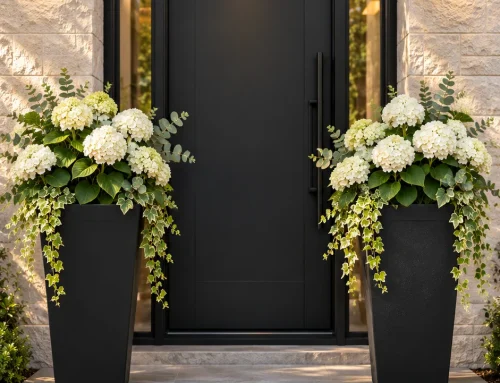
The best setup for a tall planter is not always the one that uses the most potting mix. Here is how to choose between an insert and a full-soil planting.

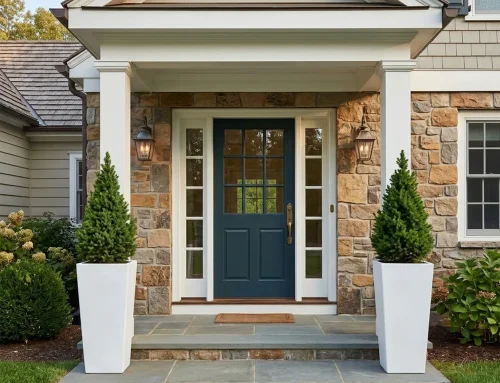
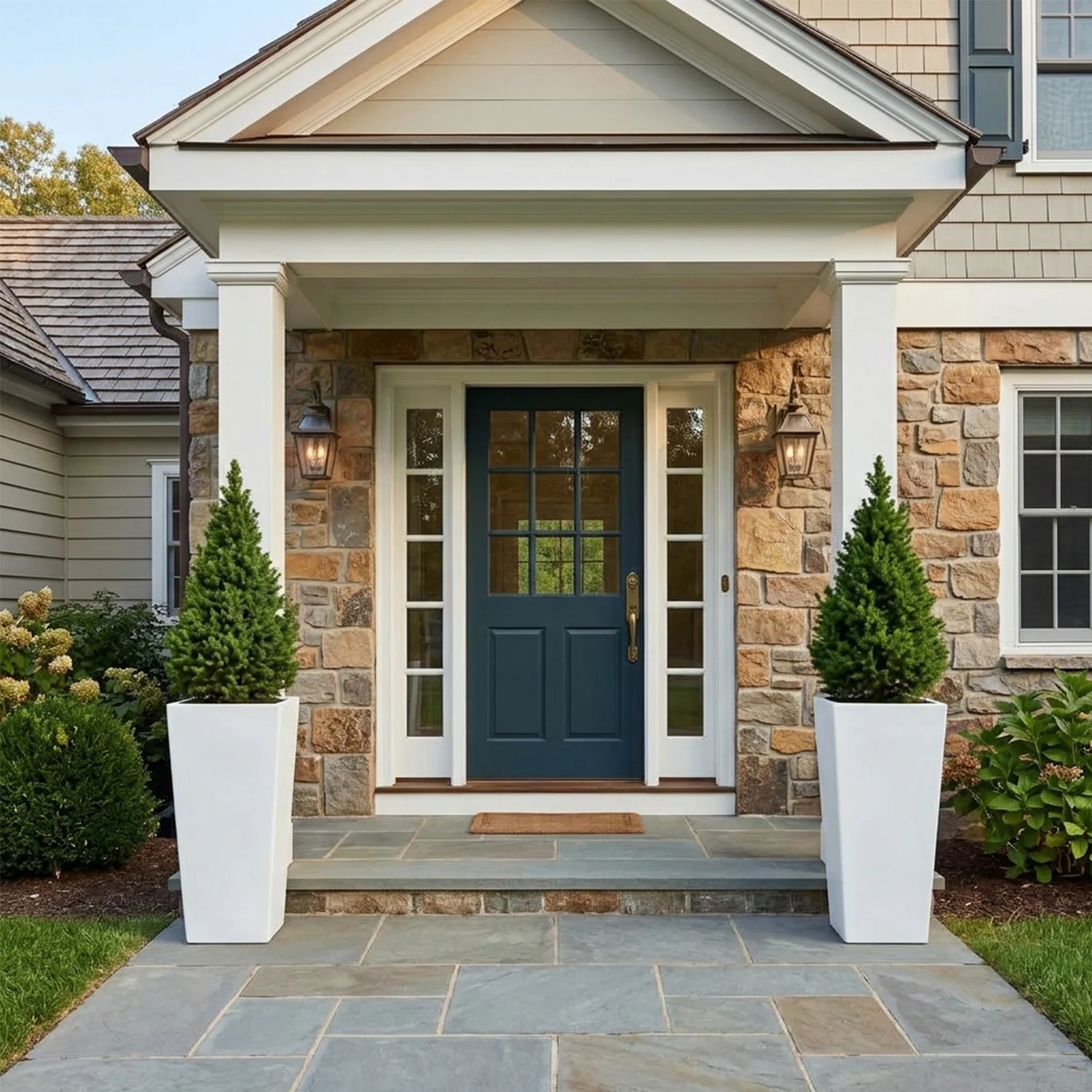
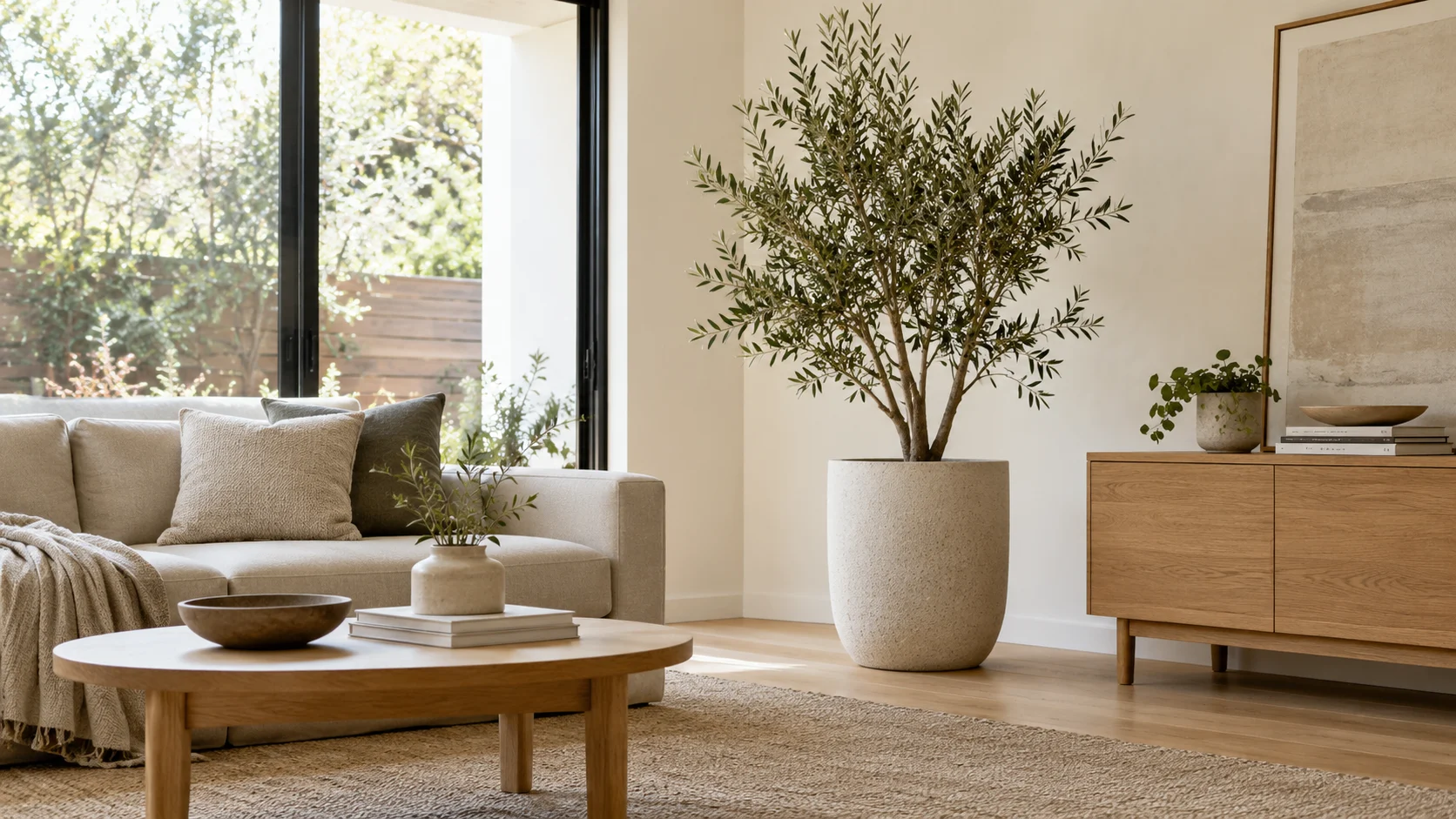
Large planters add instant presence to an entryway, patio, or living room. But once you choose a tall planter, a practical question follows: do you really need to fill every inch with potting mix?
Often, no. An insert or internal shelf can reduce the amount of growing medium you need while keeping the plant at a more useful display height. But less soil is not automatically the better choice. Root room, water needs, drainage, and outdoor stability all matter.
What is a planter insert?
A planter insert is a smaller planting container or built-in support that sits within a larger decorative planter. The plant grows in the upper planting zone, while the outer planter provides the finished look and height. It is especially practical when the bottom portion of a tall planter would otherwise hold soil that the plant’s roots will never use.
For example, the GreenShip 27-inch Tall Planter includes a removable inner shelf. The product page lists a 27.36-inch overall height, an approximately 12.15-gallon maximum soil capacity, and a pre-drilled drainage hole.
Explore the 27-inch Tall Planter →
Why filling a large planter completely can be inefficient
More potting mix, more cost, more weight
Large containers can take a surprising amount of growing medium. A full planter also becomes substantially heavier after watering, which can make seasonal rearranging or moving it under cover more difficult.
Extra depth does not always equal useful root space
A compact annual, houseplant, or seasonal display may not need the full depth of a tall decorative container. In that situation, putting the root zone higher can make planting and plant changes easier without sacrificing the visual impact of the planter.
Drainage is still essential
An insert is not a substitute for good drainage. Choose a quality container mix rather than garden soil alone; University of Illinois Extension notes that garden soil in a container can impede drainage and aeration. A planter also needs a functioning drainage path so excess water can leave the root zone.

When an insert makes sense
- Seasonal arrangements: You swap spring, summer, fall, or holiday displays and want a manageable planting zone.
- Decorative indoor planters: You want the outer planter to stay in place while the nursery pot or insert can be lifted out for care.
- Shallow-rooted plants: The plant has enough root room in the upper section, and the lower volume would otherwise be unused.
- Flexible placement: You may reposition the planter during the season and want to avoid unnecessary wet-soil weight.
Important stability note: Do not confuse reduced soil use with a license to leave a tall outdoor planter unweighted. GreenShip’s product guidance for this model calls for a flat, hard, level surface and 10–20 lb of weight in the bottom half; it also recommends additional ballast in high-wind locations. Use the shelf and ballast according to the product instructions.
When full potting mix is the better choice
Filling the planter with an appropriate container mix can be the better option when the plant genuinely needs the root volume. Larger shrubs, ornamental grasses, small trees, or mature specimen plants may need more space than a shallow insert provides. A larger soil volume can also provide more moisture buffer in hot, sunny settings—though it does not remove the need for regular monitoring.
For a long-term outdoor planting that will remain in one location, the additional weight may also be helpful. The decision should be driven by the mature root system and the specific planter’s stability guidance, not by a desire to maximize or minimize soil on its own.
Planter insert vs. full potting mix
| Consideration | Planter Insert / Inner Shelf | Full Potting Mix |
|---|---|---|
| Potting-mix use | Lower when the lower planter volume is not needed. | Higher; fills the whole planting cavity. |
| Weight | Usually easier to manage, but outdoor ballast may still be necessary. | Heavier, especially after watering. |
| Seasonal changes | Often simpler to lift, refresh, or exchange. | More material to remove or refresh. |
| Root space | Limited by the usable upper planting zone. | Potentially greater for plants that need it. |
| Best use | Decorative, seasonal, or appropriately sized plants. | Permanent or larger-rooted plantings. |
What not to use as a drainage “fix”
Do not add rocks or gravel at the bottom simply to improve drainage. notes that gravel can raise the water table in the container and create drainage issues. Use a planter with drainage holes, a well-draining potting mix, and a planting setup that suits the plant. If you need ballast for a tall outdoor planter, treat it as ballast—not as a replacement for drainage or root-zone design.

How to choose the right setup
- Start with the plant. Check its expected root depth and mature size.
- Check the planter instructions. Confirm drainage, shelf placement, dimensions, and outdoor stability requirements.
- Choose the growing medium. Use a container mix that balances moisture retention with drainage and air space.
- Plan for location. Sun, wind, rainfall, and whether you expect to move the container all affect the right setup.
- Test stability before planting. Place tall planters on a hard, level surface and use ballast when the manufacturer calls for it.
Frequently asked questions
Can I use an insert in any large planter?
Only if it leaves suitable root space, supports the plant safely, and does not interfere with drainage. Built-in shelves and purpose-made inserts are generally easier to size correctly.
Will a planter insert cause root rot?
Not by itself. Root health depends on a correctly sized root zone, a suitable growing medium, and drainage. Avoid trapping water beneath the root zone.
Should I add rocks under an insert?
Use any bottom weight only when it is needed for stability and allowed by the product instructions. Rocks are not a universal drainage solution.
How do I choose between an insert and full soil?
Use an insert when it provides adequate root space for the plant and makes maintenance easier. Fill more of the planter when the plant’s root system, long-term planting plan, or stability needs call for it.
Final takeaway
A planter insert is a practical way to reduce unnecessary soil volume in a tall decorative planter. It is especially useful for seasonal displays, manageable indoor planting, and plants that do not need the full depth of the container. For larger-rooted or permanent plantings, full potting mix may be the better choice.
All GreenShip Planters →Shop the 27-inch Tall Planter →
Sources: Product specifications and outdoor-stability guidance: GreenShip 27-inch Tall Planter.
About the Author — Greenship Garden Team
Greenship Garden is a U.S.-based brand dedicated to modern planter design and home gardening inspiration.
Our editorial team combines years of experience in plant care, garden styling, and sustainable living to help plant lovers create their perfect green spaces.
Through this blog, we share practical gardening tips, planter styling guides, and insights on how to choose the right pots for every home.
🌿 Written and reviewed by the Greenship Garden Team.