How to Prevent Overwatering and Excess Moisture in Pots and Planters
Overwatering is one of the most common reasons houseplants and container gardens fail. While giving your plants a good drink is essential, too much water can drown the roots, cause rot, and invite fungal diseases.
In this guide, we’ll show you how to prevent excess moisture buildup in your pots and planters—and keep your plants healthy, happy, and thriving.
Why Excess Water Is a Problem
Roots need oxygen to survive. When the soil stays soggy for too long, roots suffocate and start to decay. Common signs of overwatering include:
Yellowing or wilting leaves
Mushy stems
Mold or fungus on the soil surface
A sour or rotten smell from the pot
Preventing overwatering starts with smart planning—from pot selection to watering habits.
1. Use Pots with Proper Drainage
This is rule number one.
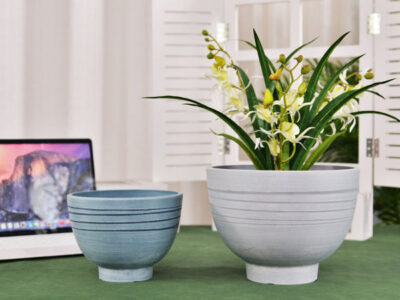
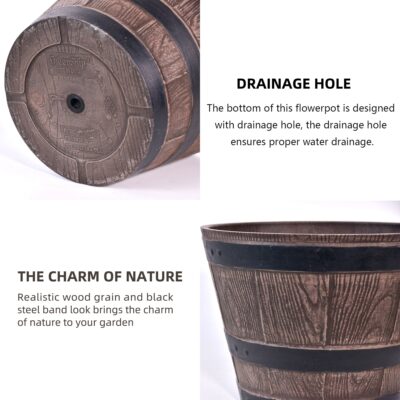
Always choose pots with drainage holes at the bottom.
Avoid planting directly into decorative containers without drainage. Instead, use a plastic grow pot with holes and place it inside your decorative pot (a technique called “double potting”).
2. Choose the Right Soil Mix
Use well-draining potting soil, not garden soil.
For succulents and cacti, choose specialized mixes with sand, perlite, or pumice.
Add materials like perlite, bark chips, or coarse sand to improve drainage in general-purpose mixes.
3. Elevate the Pot
Keep your pot elevated so water doesn’t collect at the base:
Use pot feet, plant stands, or trivets to raise containers.
If placing a pot on a saucer or tray, empty it regularly to avoid stagnant water.
4. Water Only When Needed
Get to know your plant’s actual water needs.
Stick your finger 1–2 inches into the soil; if it’s still moist, don’t water.
Use a moisture meter for more precise readings.
Water deeply, but less frequently—this encourages strong root systems.
5. Avoid Oversized Pots
Large pots hold more soil and retain water longer, increasing the risk of overwatering. Always size your pot appropriately for the plant.
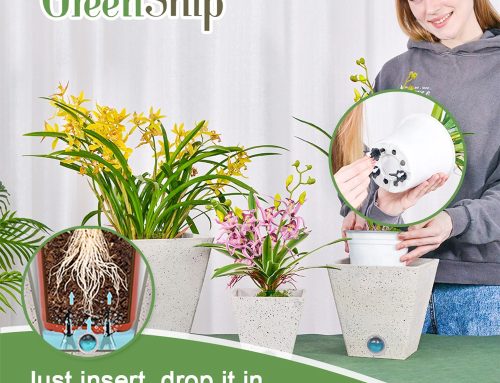
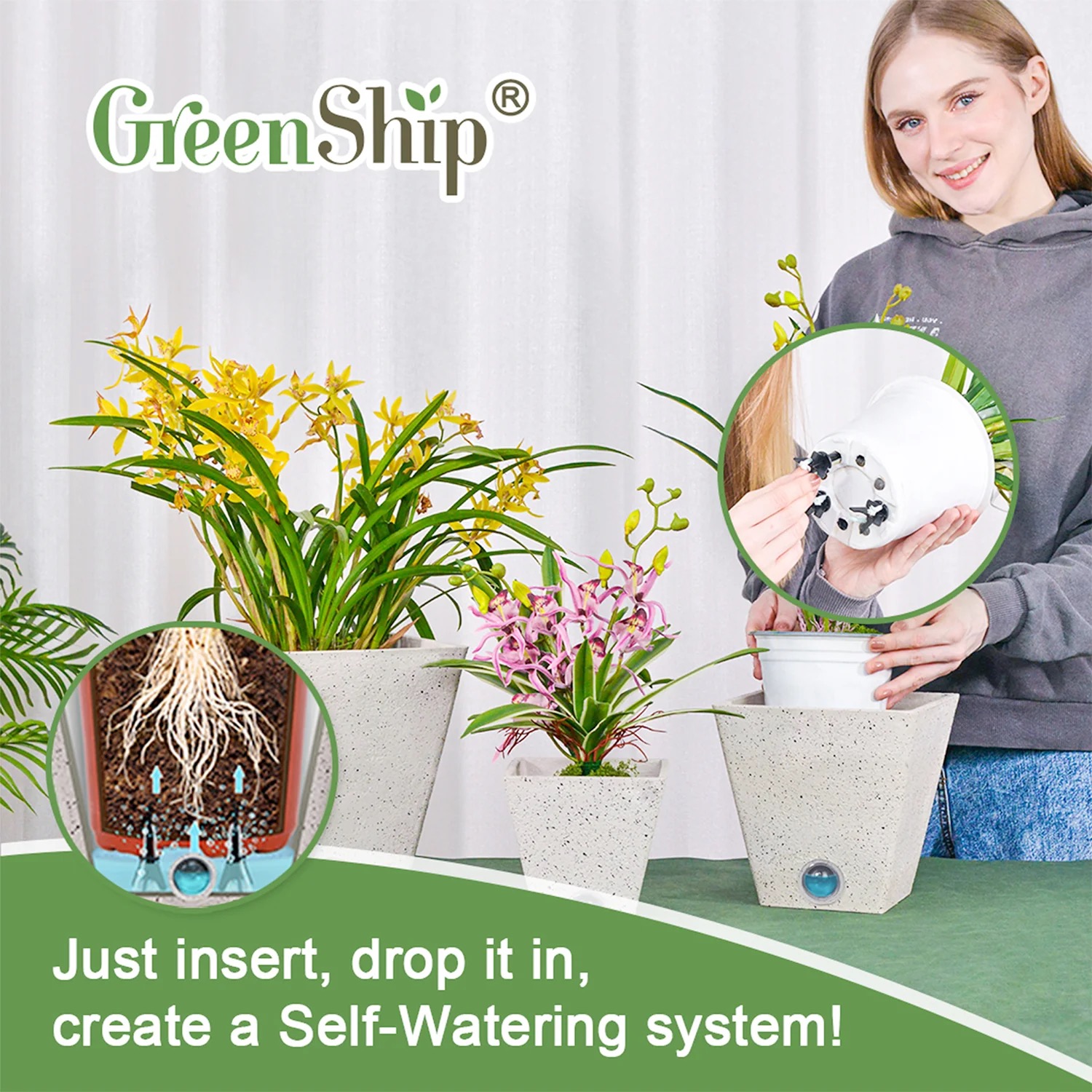
6. Use Self-Watering Pots Carefully
These can be helpful for busy plant parents—but:
Don’t fill the reservoir too often.
Choose models with ventilation and overflow holes.
Monitor moisture levels regularly.
7. Add a Drainage Layer (Optional)
Some gardeners add a bottom layer of gravel or broken pottery. While this does not improve drainage, it can reduce soil sitting directly in water if there’s a small pooling zone. However, drainage holes remain more effective.
Summary Checklist
✅ Use pots with drainage holes
✅ Choose well-draining soil
✅ Elevate your pots
✅ Water only when dry
✅ Avoid pots that are too big
✅ Be cautious with self-watering containers
✅ Monitor plant health regularly
About the Author — Greenship Garden Team
Greenship Garden is a U.S.-based brand dedicated to modern planter design and home gardening inspiration.
Our editorial team combines years of experience in plant care, garden styling, and sustainable living to help plant lovers create their perfect green spaces.
Through this blog, we share practical gardening tips, planter styling guides, and insights on how to choose the right pots for every home.
🌿 Written and reviewed by the Greenship Garden Team.