What Different Care Measures Should You Take for Potted Flowers in Different Seasons?
Caring for potted flowers is a year-round commitment, and the specific needs of your plants will change with the seasons.Understanding these seasonal shifts and adjusting your care routine accordingly is essential for maintaining healthy and vibrant blooms. For American gardeners navigating the diverse climates across the country, here’s a seasonal guide to caring for your potted flowers:
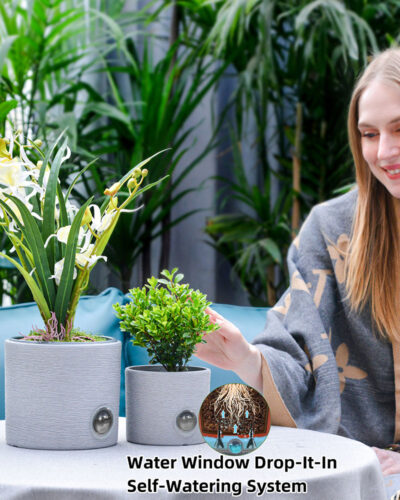
Spring: Awakening and Growth
Spring marks the beginning of the active growing season for most flowers. Here’s what to focus on:
- Increased Watering: As temperatures rise and plants start actively growing, they’ll need more water. Check the soil moisture regularly and water when the top inch feels dry.
- Fertilizing: Spring is the ideal time to start fertilizing your potted flowers. Use a balanced, slow-release fertilizer or feed them regularly with a liquid fertilizer according to the product instructions to encourage new growth and flowering.
- Repotting: If your flowers have outgrown their pots (look for roots emerging from drainage holes), spring is a good time to repot them into larger containers with fresh potting mix.
- Increased Sunlight: Gradually move your potted flowers to locations where they’ll receive the appropriate amount of sunlight for their specific needs. Be cautious about sudden exposure to intense, direct sunlight after a long winter indoors.
- Pest and Disease Watch: Keep an eye out for early signs of pests (like aphids or spider mites) and diseases. Addressing these issues early can prevent bigger problems later in the season.
- Pruning: Light pruning can encourage bushier growth and more blooms for many types of flowers.Remove any dead or damaged growth.
Summer: Peak Bloom and Heat Management
Summer brings the peak blooming period for many flowers, but it also presents challenges like heat and intense sunlight:
- Frequent Watering: Hot weather can dry out pots quickly, so more frequent watering is usually necessary. Check the soil moisture daily, and water deeply when needed, especially during heat waves. You might even need to water some pots twice a day.
- Sun Protection: Some flowers can suffer from scorched leaves in intense afternoon sun. If your plants are looking stressed, consider moving them to a spot that receives partial shade during the hottest part of the day.
- Deadheading: Regularly remove spent flowers (deadheading) to encourage continuous blooming and prevent the plant from putting energy into seed production.
- Continued Fertilizing: Depending on the type of fertilizer you’re using and the blooming frequency of your flowers, you might need to continue fertilizing throughout the summer.
- Pest and Disease Control: Monitor for pests and diseases, and take appropriate action if needed. Good air circulation around the pots can help prevent fungal issues.
- Watering Techniques: Water at the base of the plant to avoid wetting the foliage too much, which can encourage fungal diseases. Watering in the early morning or late evening can also help reduce water evaporation.
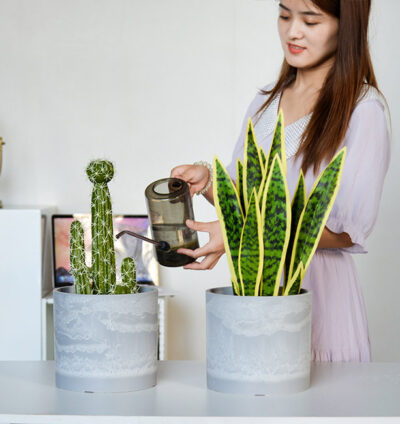
Fall: Transition and Preparation for Dormancy
As temperatures cool and daylight hours shorten, your potted flowers will begin to transition:
- Reduced Watering: As growth slows down and temperatures decrease, your flowers will need less water. Reduce the frequency of watering, allowing the soil to dry out slightly more between waterings.
- Hold Off on Fertilizing: Generally, you should stop fertilizing your potted flowers in late summer or early fall as they prepare for dormancy or slower growth.
- Prepare for Cooler Temperatures: Depending on the hardiness of your flowers, you might need to take steps to protect them from frost and freezing temperatures. Tender annuals will likely die with the first frost.
- Overwintering: If you have potted flowers that are hardy in your region but might not survive winter in containers above ground, consider insulating the pots, moving them to a sheltered location (like a garage or basement), or planting them directly in the ground.
- Clean Up: Remove any dead or dying foliage to help prevent disease over the winter.
Winter: Dormancy and Minimal Care
Winter is typically a period of dormancy for many plants. Potted flowers require minimal care during this time:
- Minimal Watering: If your potted flowers are dormant or semi-dormant, they’ll need very little water. Water only occasionally to prevent the soil from completely drying out.
- No Fertilizing: Do not fertilize dormant plants.
- Cool and Dark Location (for dormant plants): If you’re overwintering dormant plants indoors, a cool, dark location is often best. Check the specific needs of your plant.
- Protection from Freezing: Ensure that even hardy potted plants are protected from severe freezing temperatures, which can damage their roots in exposed containers.Insulation or moving them to an unheated but protected space can be beneficial.
- Monitor for Issues: Occasionally check your overwintering plants for any signs of pests or diseases.
By adapting your care routine to the specific needs of each season, you can ensure that your potted flowers thrive and provide you with beautiful blooms year after year.
About the Author — Greenship Garden Team
Greenship Garden is a U.S.-based brand dedicated to modern planter design and home gardening inspiration.
Our editorial team combines years of experience in plant care, garden styling, and sustainable living to help plant lovers create their perfect green spaces.
Through this blog, we share practical gardening tips, planter styling guides, and insights on how to choose the right pots for every home.
🌿 Written and reviewed by the Greenship Garden Team.