How to Choose the Placement of Indoor Flower Pots to Benefit Flower Growth and Beautify the Space?
Strategically placing your indoor flower pots can significantly impact both the health and the visual appeal of your home. The right location ensures your plants receive the necessary light to thrive while also enhancing your interior décor. For American homeowners looking to strike the perfect balance between plant health and aesthetics, here’s a guide to choosing the best spots for your indoor flower pots:

Prioritizing Flower Growth Through Placement:
The most crucial aspect of indoor flower pot placement is ensuring your plants receive the appropriate amount of light. Different flowers have varying light requirements, so understanding your plant’s needs is the first step.
Match Light Needs to Location:
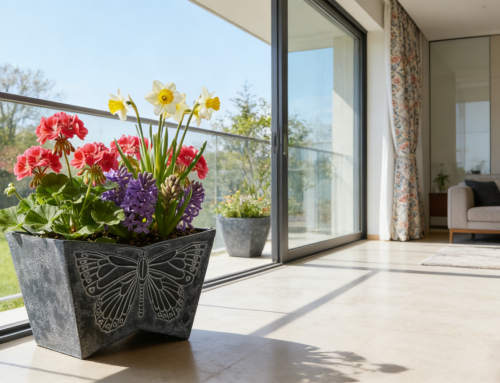
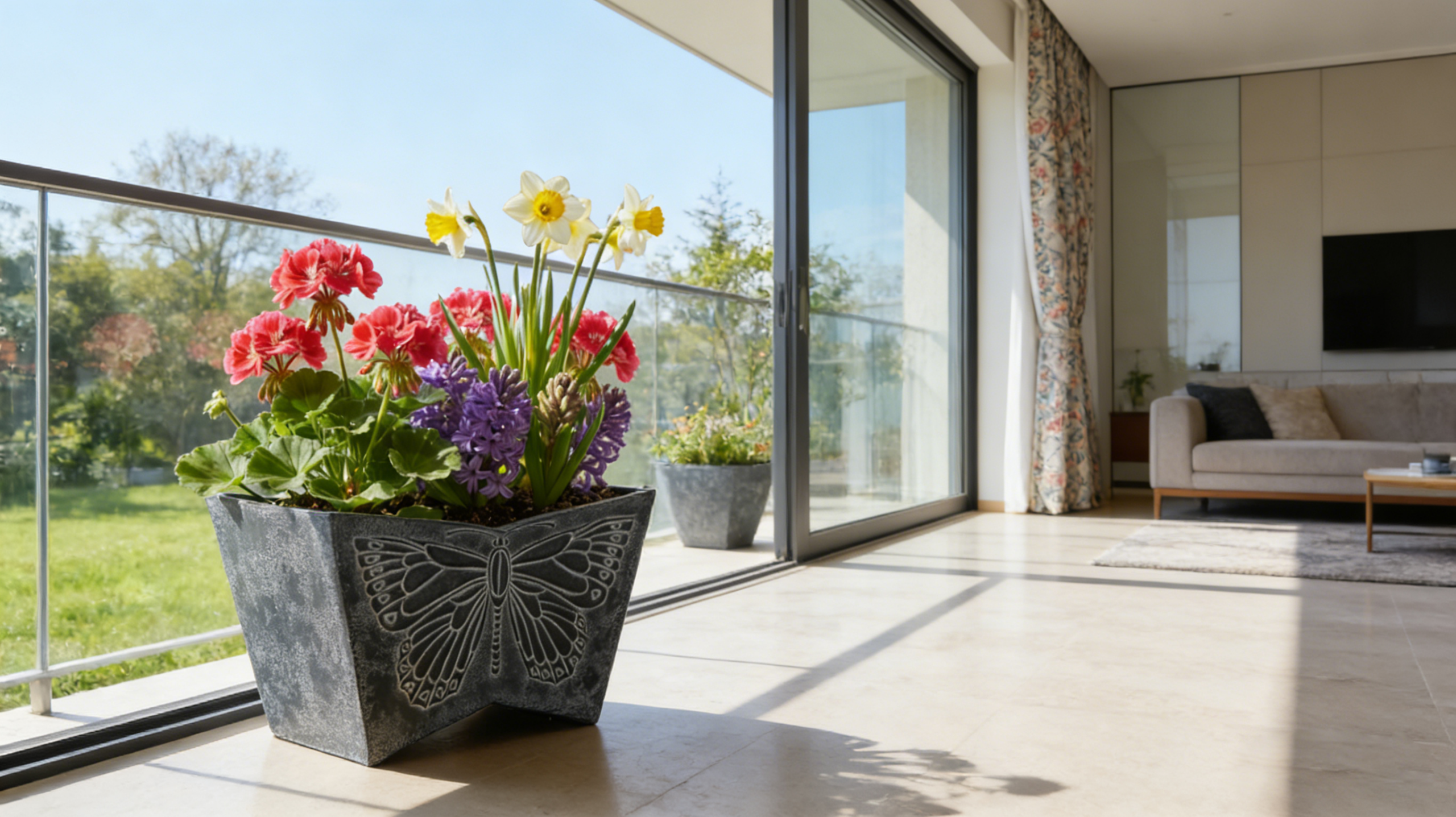
- Bright, Direct Light: South-facing windows often provide the most direct sunlight. Flowers that love bright light, such as succulents, cacti, and some flowering plants like hibiscus, will do well here. Be mindful of intense midday sun, which might scorch some leaves; sheer curtains can help filter the light.
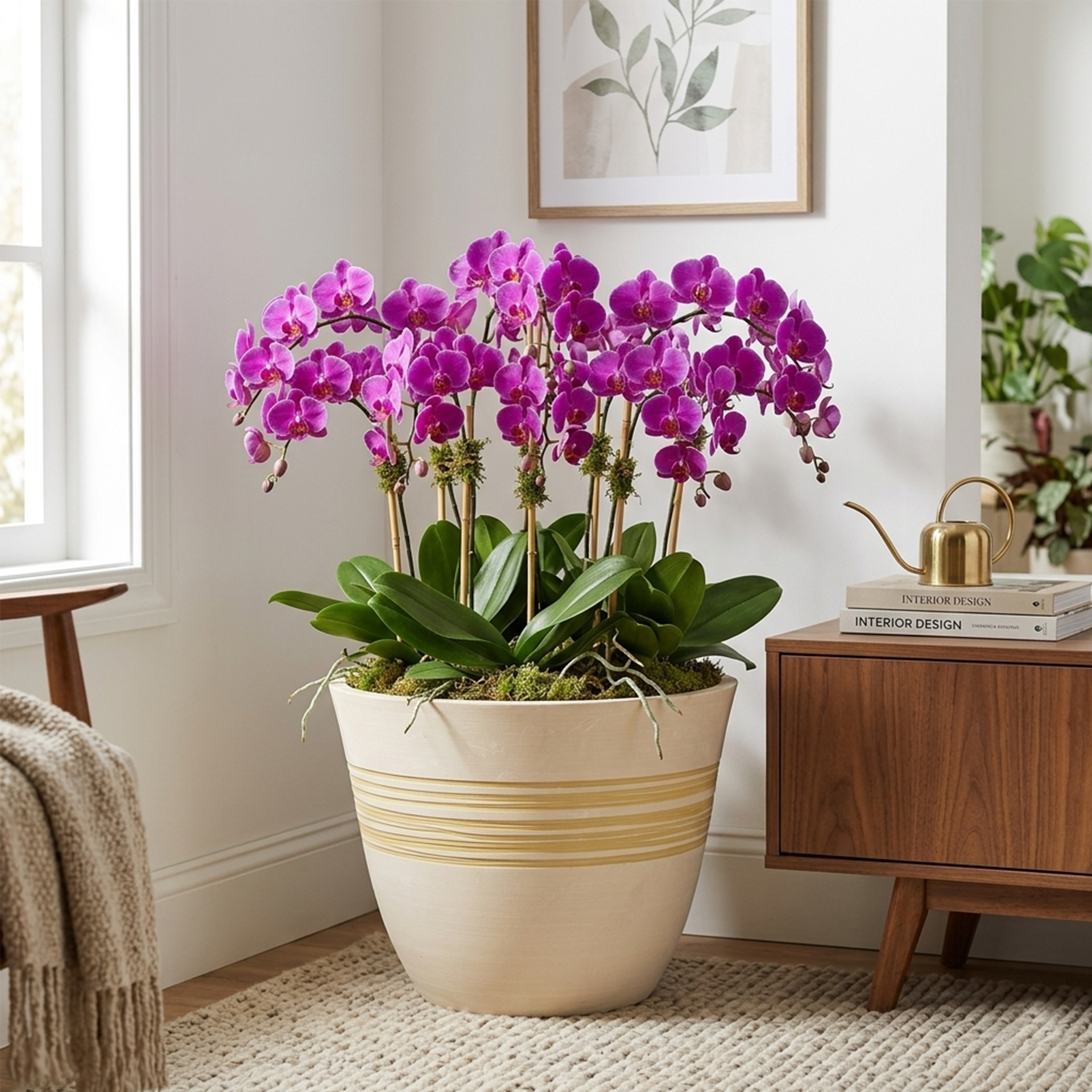
- Bright, Indirect Light: East- or west-facing windows typically offer bright, indirect light, which is ideal for many popular flowering houseplants like orchids, African violets, and begonias.These spots receive gentle morning or afternoon sun.
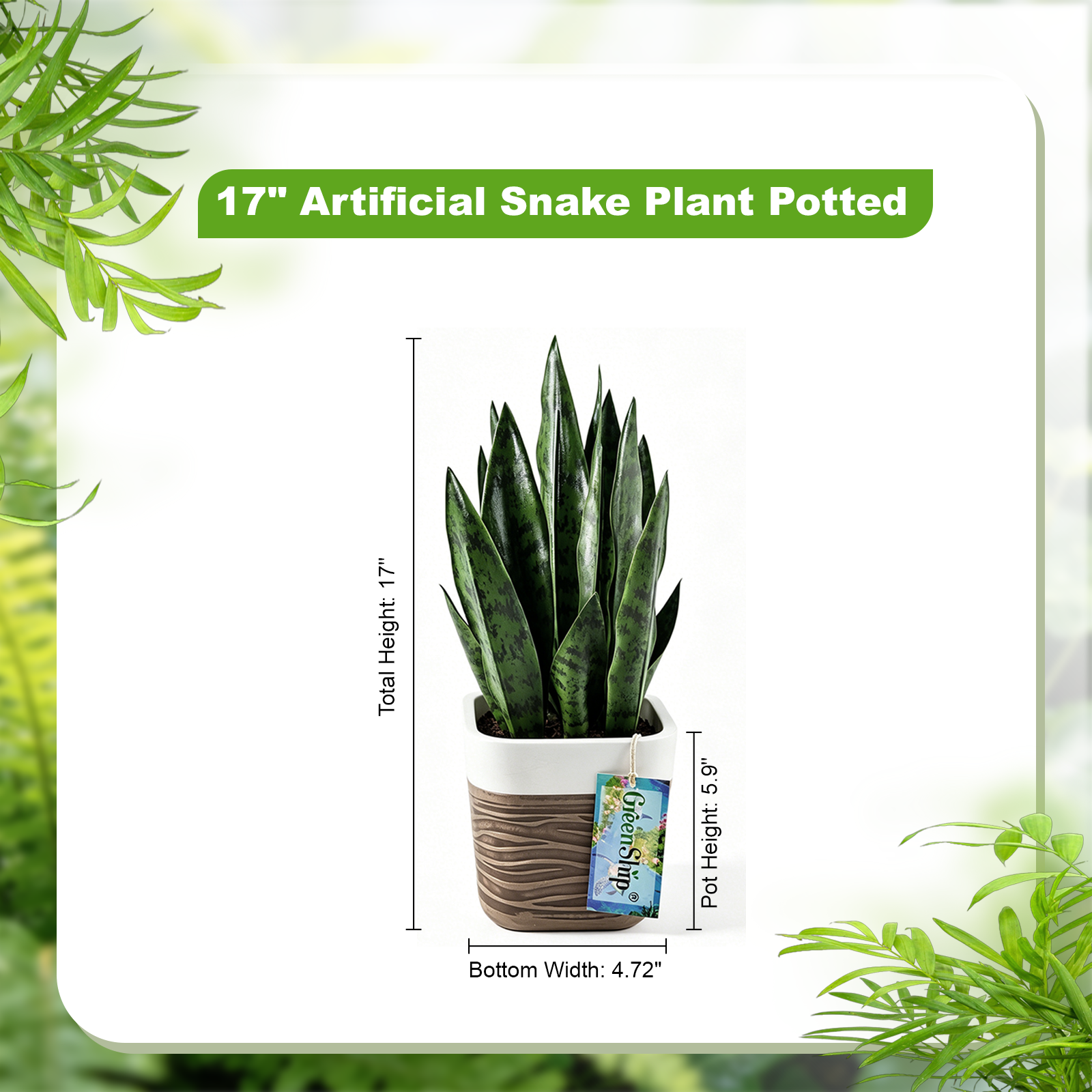
- Medium Light: Locations further away from windows or near north-facing windows receive medium light. Plants that tolerate medium light, such as peace lilies and snake plants (while not flowering primarily for aesthetics, they can flower indoors), can thrive here.
- Low Light: Some areas, like hallways or rooms with small windows, might only offer low light. While fewer flowering plants will flourish in these conditions, options like ZZ plants or cast iron plants (which can occasionally flower) might be suitable. You might also consider using grow lights to supplement light in low-light areas.
Consider Light Intensity Throughout the Day: Observe how the light changes in different parts of your home during the day. A spot that is bright in the morning might become shady in the afternoon, and vice versa. Place your plants accordingly.
Enhancing Your Space Through Aesthetic Placement:
Once you’ve considered the light needs of your flowers, think about how their placement can enhance your living space.
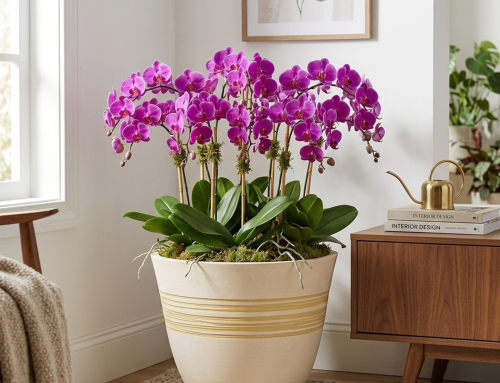
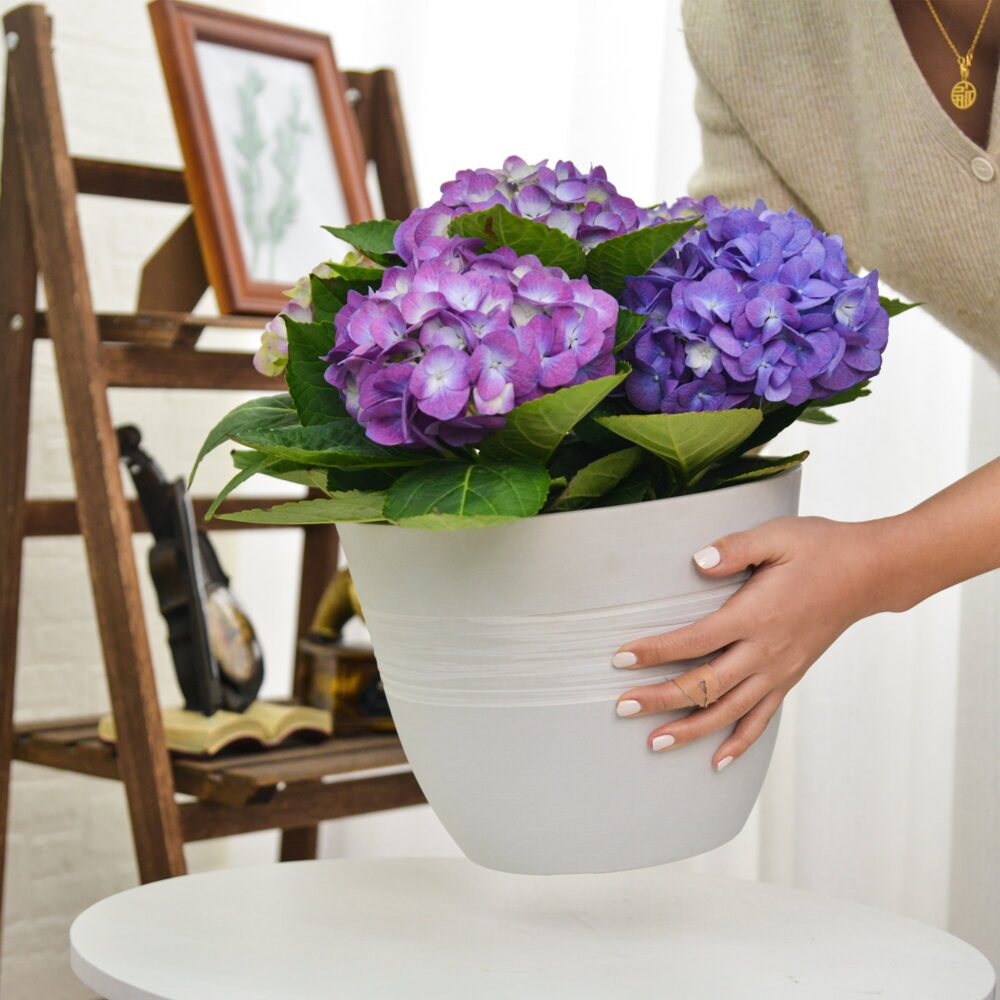
- Focal Points: Use larger, more visually striking potted flowers as focal points in a room. A well-placed orchid on a coffee table or a vibrant begonia on a plant stand can draw the eye and add elegance.
- Balancing Décor: Arrange flower pots to balance the visual weight of other elements in the room, such as furniture, artwork, or rugs. A tall plant in a corner can complement a high bookshelf, for example.
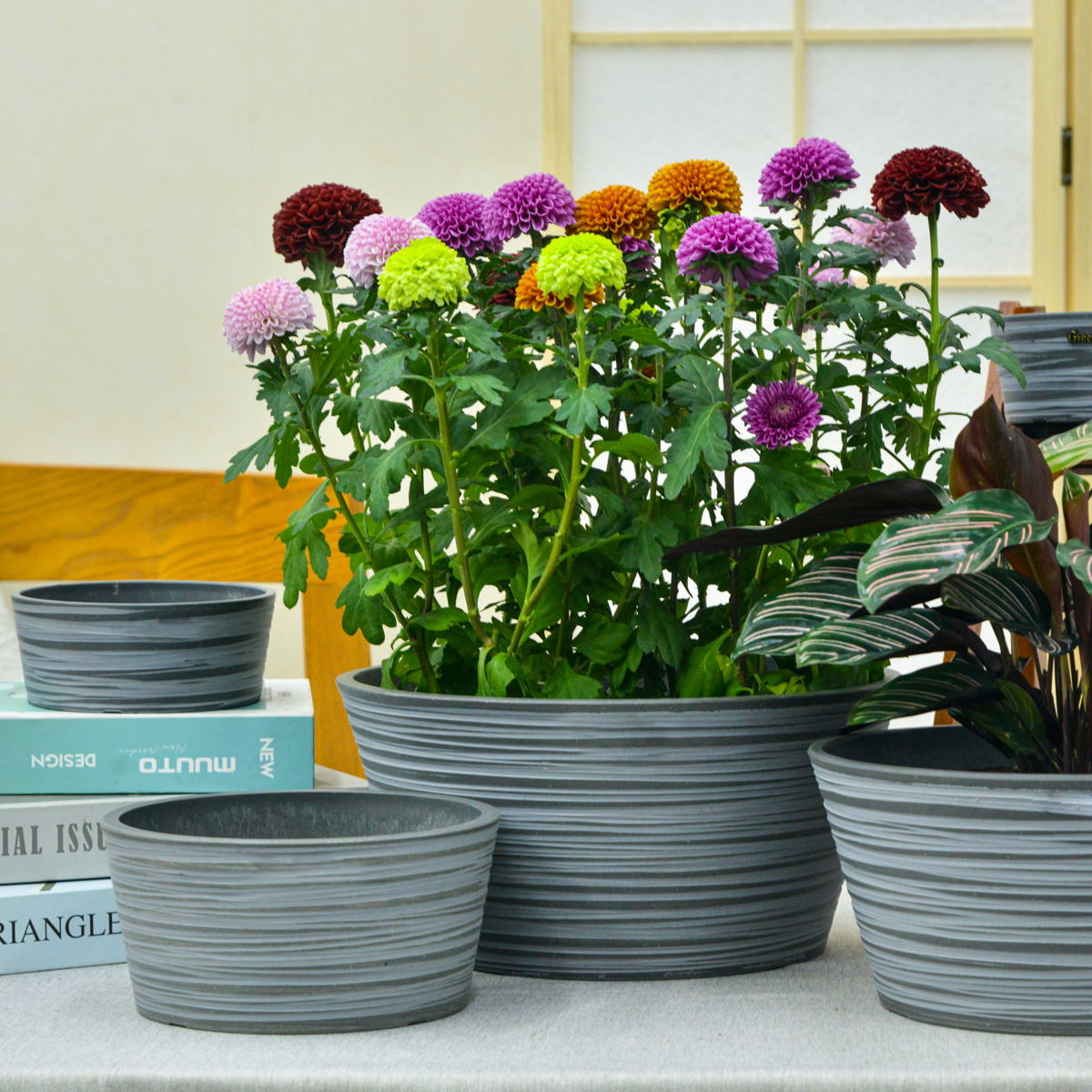
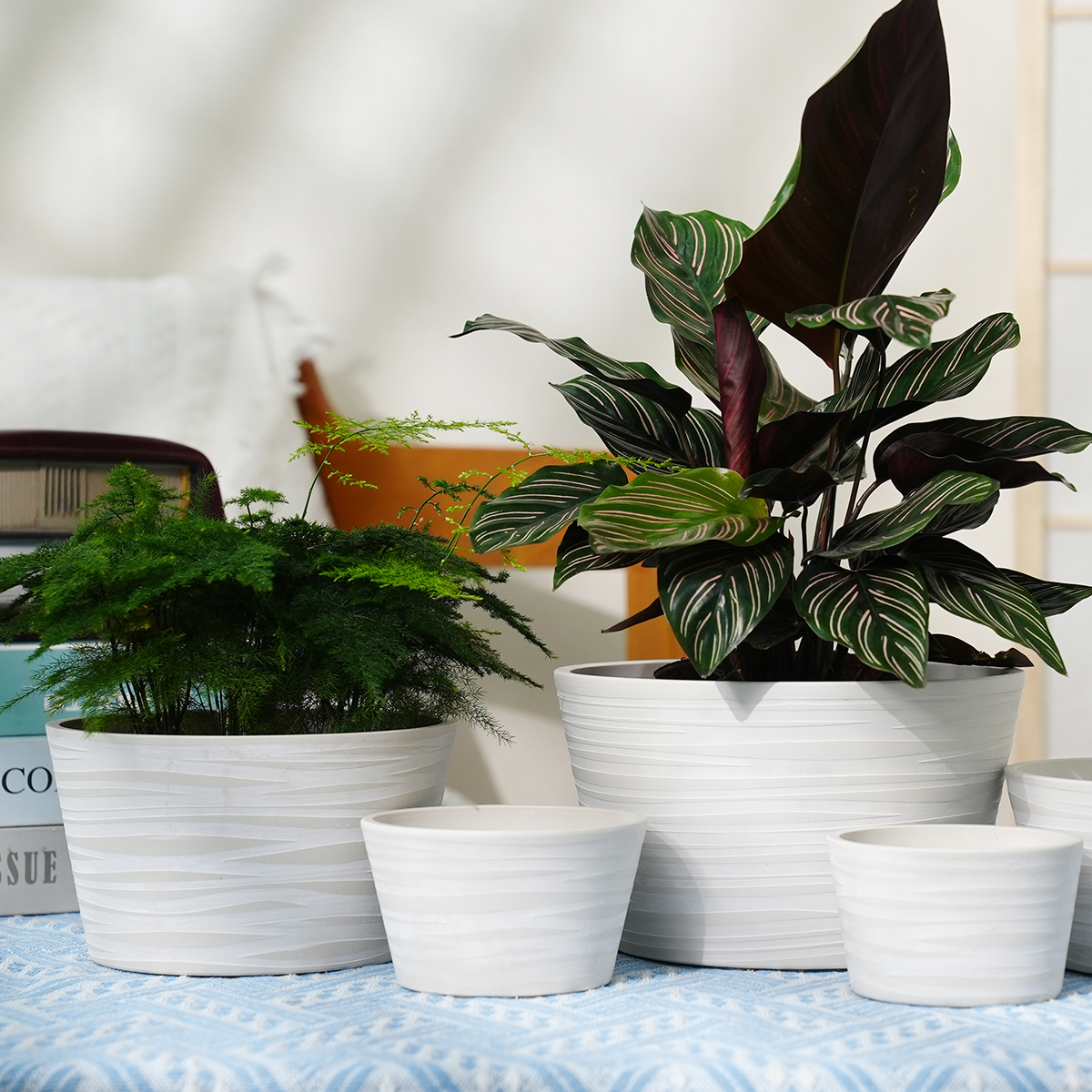
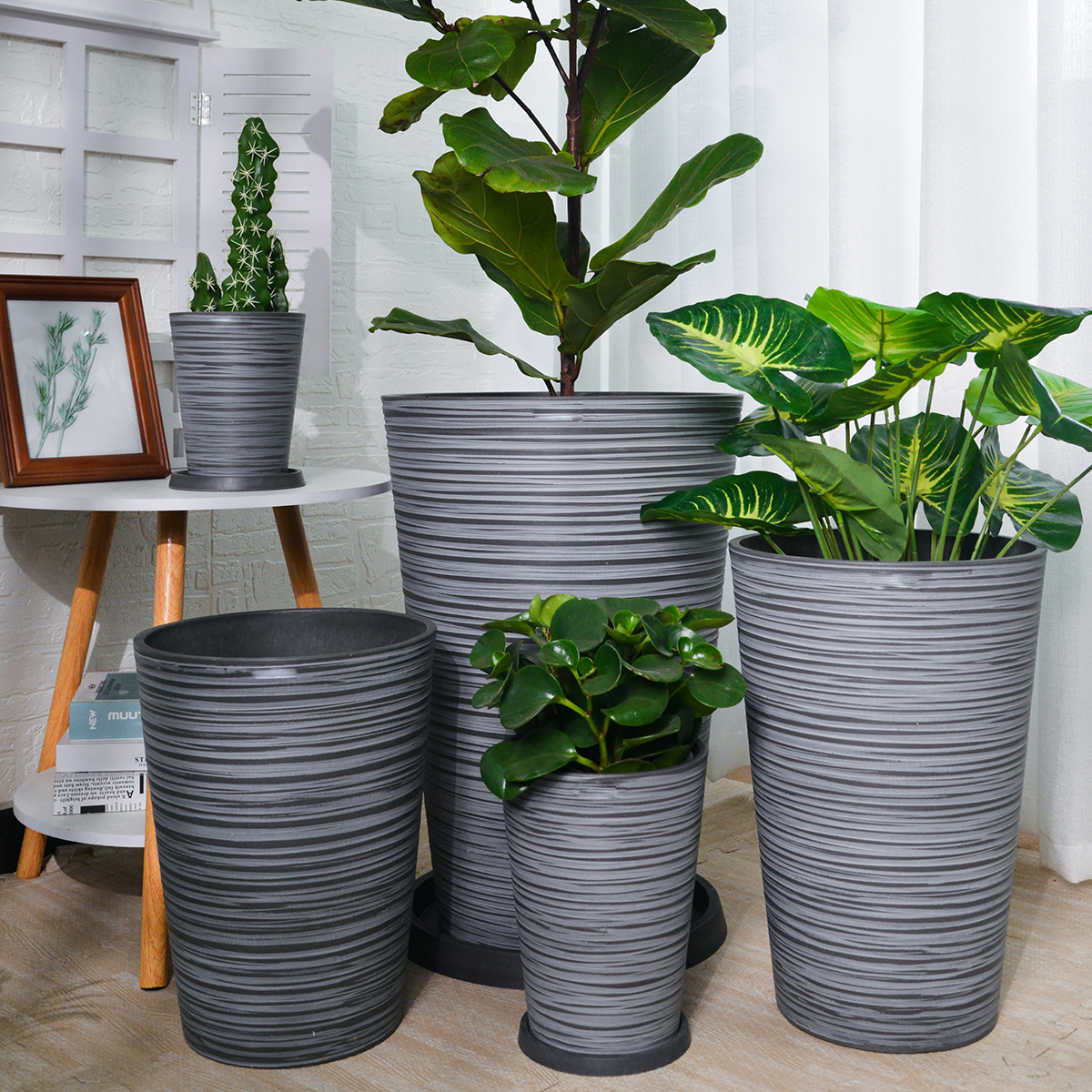
- Creating Layers and Depth: Grouping plants of different heights and sizes can add visual interest and depth to your space. Place taller plants behind shorter ones, or use plant stands to elevate some pots.
- Filling Empty Spaces: Potted flowers are excellent for filling awkward or empty corners, shelves, or mantels. Choose plants that suit the light levels in these areas and consider the size of the space when selecting the pot and plant.
- Complementing Furniture: Place flower pots near or on furniture to bring a touch of nature indoors and create a more inviting atmosphere. Smaller pots can sit on side tables or desks, while larger ones can be placed alongside sofas or armchairs.
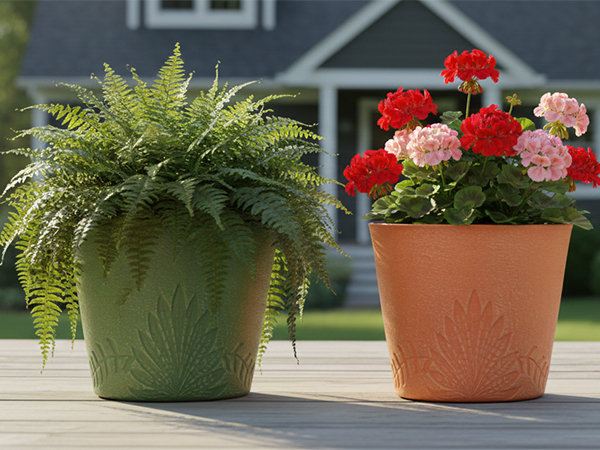
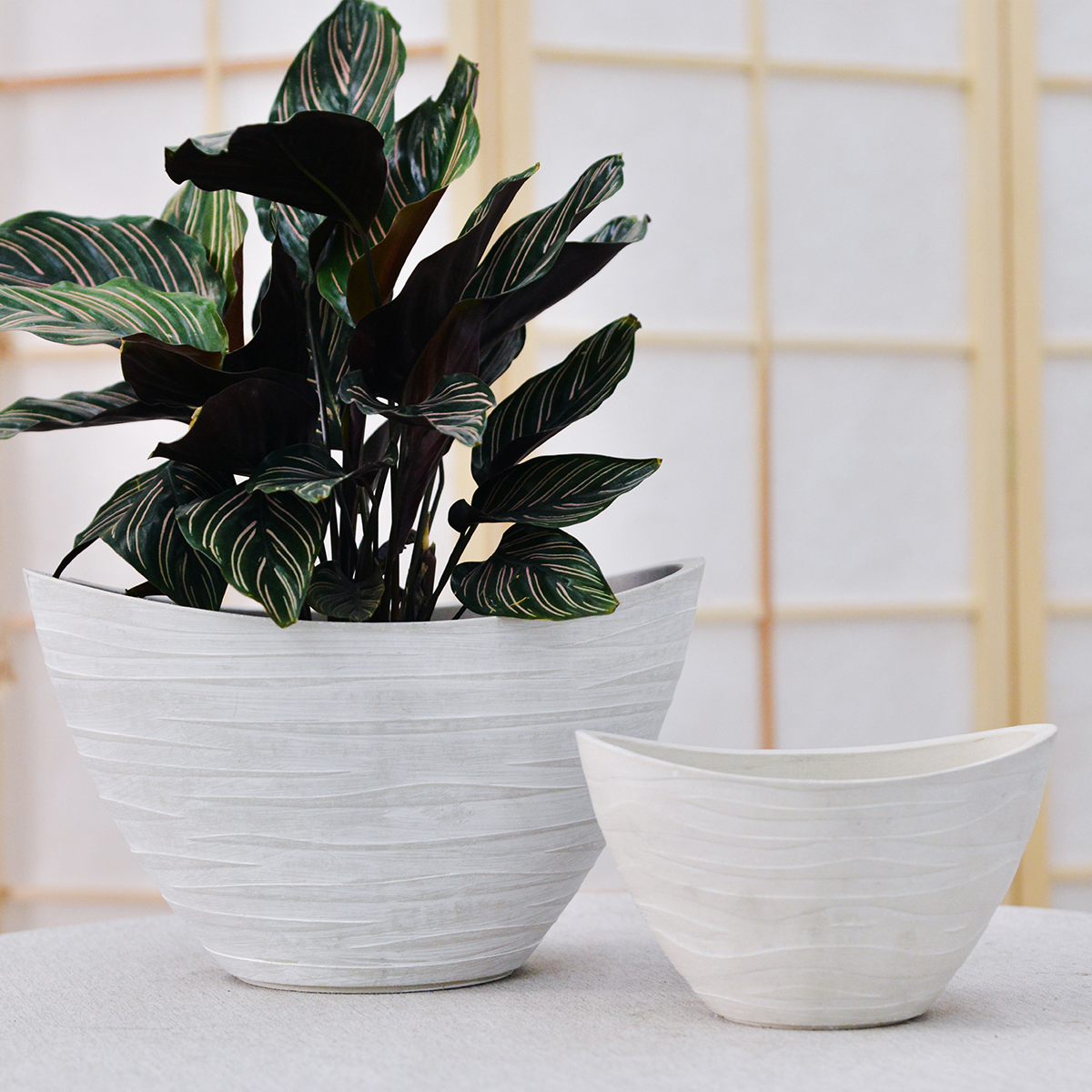
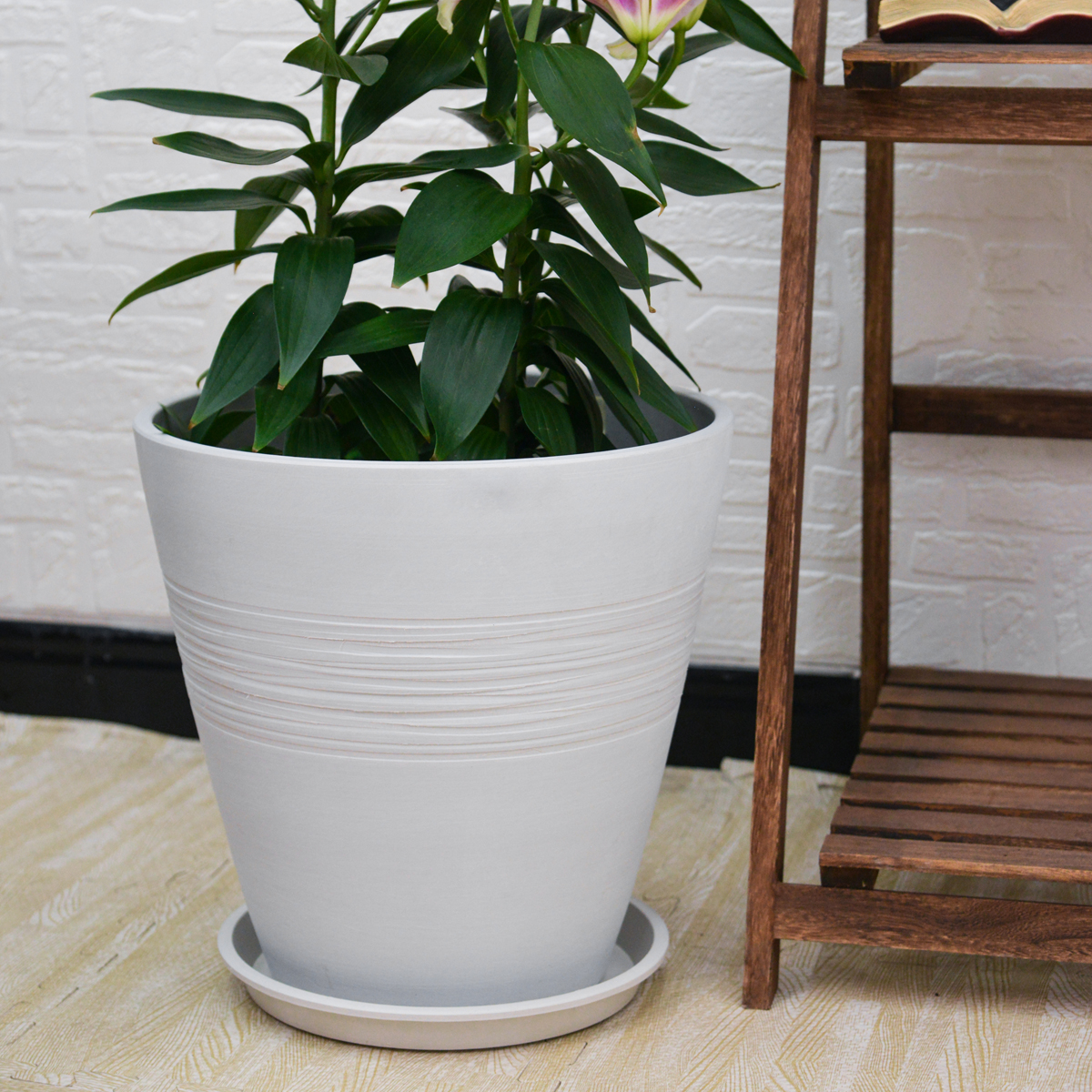
- Using Color and Texture: Select flower pots that complement the colors and textures of your room’s décor. The foliage and blooms of your flowers will also add to the overall aesthetic. Consider the color of the pot in relation to the flower color for a harmonious or contrasting effect.
- Defining Zones: In open-concept living spaces, strategically placed larger potted plants can help define different areas, such as separating a living area from a dining space.

Practical Considerations:
- Accessibility: Ensure that your chosen placement allows for easy watering and maintenance of your flowers. труднодоступные места might lead to neglect.
- Traffic Flow: Avoid placing pots in high-traffic areas where they could be easily knocked over or obstructed.
- Pet and Child Safety: Consider the safety of your pets and children when choosing plant placement, especially if you have plants that might be toxic if ingested. Place them out of reach if necessary.
By carefully considering both the growth needs of your flowers and the aesthetic impact on your space, you can choose the perfect placement for your indoor flower pots, creating a healthy and beautiful environment for both you and your plants.
About the Author — Greenship Garden Team
Greenship Garden is a U.S.-based brand dedicated to modern planter design and home gardening inspiration.
Our editorial team combines years of experience in plant care, garden styling, and sustainable living to help plant lovers create their perfect green spaces.
Through this blog, we share practical gardening tips, planter styling guides, and insights on how to choose the right pots for every home.
🌿 Written and reviewed by the Greenship Garden Team.