
Is Purslane Susceptible to Pests and Diseases? Common Issues and How to Manage Them
While purslane (Portulaca oleracea) is generally a resilient plant known for its ability to thrive in tough conditions, it can occasionally encounter some pests and diseases. Being aware of these potential issues can help you keep your purslane healthy, whether you’re cultivating it for its edible leaves or enjoying its ornamental appeal.
Common Pests Affecting Purslane:
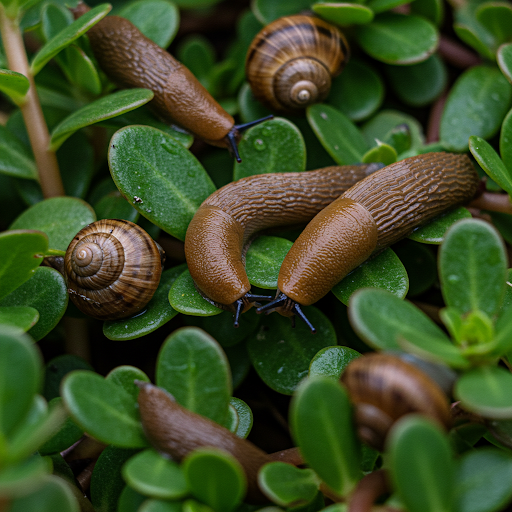
- Slugs and Snails: These common garden pests can sometimes feed on the leaves and stems of purslane, leaving behind slimy trails and chewed foliage.
- Control: Hand-picking slugs and snails, especially at night or early morning, can be effective. You can also use traps or barriers.
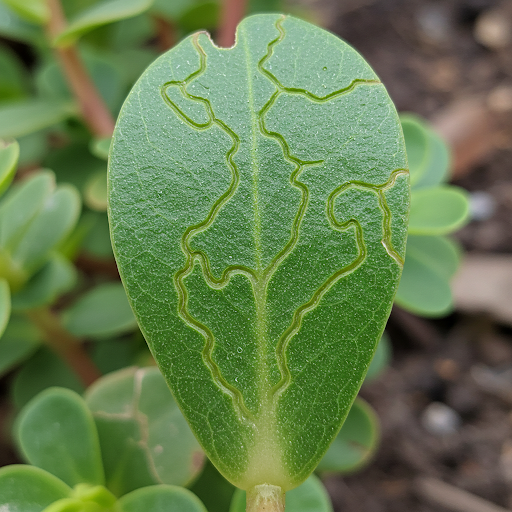
- Purslane Sawfly (Schizocerella pilicornis): This is a specific pest that targets purslane. The larvae of this sawfly are leaf miners, creating tunnels within the leaves.
- Control: Routinely inspect plants for leaf damage. Remove and destroy affected leaves. Spraying with horticultural oil can help prevent sawflies from laying eggs and can also kill eggs or larvae. Tilling the surrounding soil can disrupt the pupae stage.
- Leafminer Weevil (Hypurus bertrandiperris): This weevil also targets purslane, with larvae mining the leaves, causing damage or even death to the plant in severe infestations.
- Control: Remove and destroy any leaves showing signs of leafminer activity. Removing adult weevils and their eggs can also help. In areas with persistent problems, growing purslane under light shade cloth may offer protection. Rotating planting locations can also reduce infestations.
- White Bugs (Mealybugs): While not exclusively targeting purslane, mealybugs can sometimes infest it. They appear as white, cotton-like masses on leaves and stems and can cause yellowing, leaf drop, and stunted growth.
- Control: For small infestations, you can wipe away mealybugs with a cotton swab dipped in rubbing alcohol. For more significant issues, insecticidal soap or neem oil can be used.
Diseases Affecting Purslane:
Purslane is generally quite resistant to diseases. However, in overly moist conditions, particularly with poor air circulation, it can be susceptible to some fungal issues.
- Fungal Diseases: Keep an eye out for any signs of fungal growth, such as powdery mildew or leaf spots.
- Prevention: Ensure good air circulation around your purslane plants. Avoid overhead watering, especially in humid conditions.
- Control: If fungal diseases appear, you can try using a fungicide according to the product instructions.
General Tips for Preventing Pest and Disease Problems:
- Healthy Plants: Healthy, vigorous plants are generally more resistant to pests and diseases. Ensure your purslane is getting adequate sunlight and appropriate watering (allowing soil to dry slightly between waterings).
- Good Air Circulation: Proper spacing between plants helps promote good air circulation, which can deter both pests and fungal diseases.
- Regular Inspection: Regularly inspect your purslane plants for any early signs of pests or diseases. Catching problems early makes them easier to manage.
- Remove Infested Material: Promptly remove and dispose of any heavily infested or diseased plant parts to prevent the problem from spreading.
While purslane is generally low-maintenance when it comes to pests and diseases, being aware of these potential issues and knowing how to address them will help you keep your plants thriving.



About the Author — Greenship Garden Team
Greenship Garden is a U.S.-based brand dedicated to modern planter design and home gardening inspiration.
Our editorial team combines years of experience in plant care, garden styling, and sustainable living to help plant lovers create their perfect green spaces.
Through this blog, we share practical gardening tips, planter styling guides, and insights on how to choose the right pots for every home.
🌿 Written and reviewed by the Greenship Garden Team.