Terracotta, Plastic, or Nursery Pot? Choosing the Best ‘Home’ for Your Lily
A lily’s majestic blooms and elegant form are a highlight of any garden. While their spectacular show depends on proper planting depth and soil, the material of the pot itself plays a crucial role in the plant’s health. The choice between terracotta, plastic, and a nursery pot each comes with its own set of pros and cons, and the best one for you depends entirely on your gardening habits.
Terracotta: The Classic & Breathable Choice
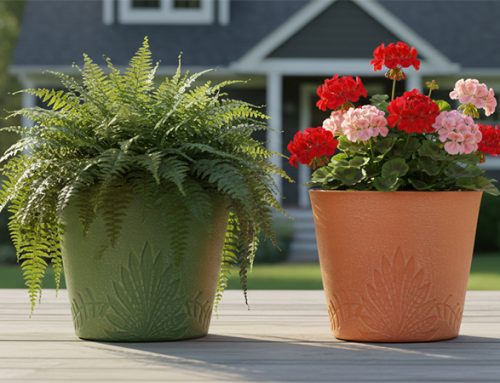
Terracotta, or unglazed clay, is a classic for a reason. Its porous nature is a major benefit for plants like lilies that don’t like to have “wet feet.”
- Pros: Terracotta’s main advantage is its porosity. Water and air can pass through its walls, which helps the soil dry out faster and provides excellent aeration to the roots. This is especially useful in humid climates where overwatering is a concern. Its earthy, natural look also beautifully complements the lily’s elegant shape.
- Cons: The porosity that helps prevent root rot also means the pot dries out very quickly, which requires more frequent watering. Terracotta is also heavy and brittle, so it’s not the best choice if you need to move your pots often.
Plastic: The Lightweight & Convenient Choice
Plastic is the most common material for planters today, and for good reason. It offers a combination of convenience and affordability that’s hard to beat.
- Pros: Plastic pots are lightweight, durable, and inexpensive. They are easy to move, which is great if you want to bring your lilies indoors for the winter. They also retain moisture very well, which can be a pro in hot, dry climates where you want to reduce watering frequency.
- Cons: The lack of breathability is a significant drawback for lilies. Plastic traps moisture, which can easily lead to soggy soil and root rot if you’re not careful with your watering schedule. Plastic can also heat up in direct sun, potentially stressing the plant’s roots.
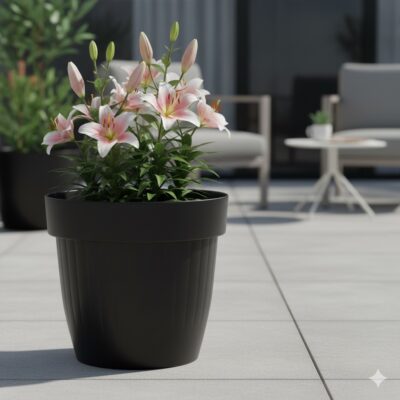
Lily pot
Nursery Pots (Gallon Pots): The Functional & Practical Choice
These black or green plastic pots are what many plants are sold in. They may not be the most attractive, but they are a very functional option.
- Pros: Nursery pots are designed for optimal plant health. They are lightweight, durable, and almost always have excellent drainage. They are a great, no-frills option that gets the job done at a very low cost.
- Cons: Their aesthetic is purely functional. For a decorative display, you’ll need to use them as an inner pot.
- Pro Tip: Use the nursery pot for your lily and place it inside a larger, more decorative pot (called a cachepot) that doesn’t have drainage holes. This gives you the aesthetic of a beautiful ceramic or metal planter with the functional benefits of a nursery pot. Just be sure to empty any standing water that collects in the bottom of the cachepot.
The best pot for your lily depends on your personal gardening style. If you love a classic look and don’t mind watering frequently, choose terracotta. If convenience and affordability are your top priorities, plastic is a great choice. And if you want the perfect blend of function and style, consider a nursery pot inside a decorative cachepot.
About the Author — Greenship Garden Team
Greenship Garden is a U.S.-based brand dedicated to modern planter design and home gardening inspiration.
Our editorial team combines years of experience in plant care, garden styling, and sustainable living to help plant lovers create their perfect green spaces.
Through this blog, we share practical gardening tips, planter styling guides, and insights on how to choose the right pots for every home.
🌿 Written and reviewed by the Greenship Garden Team.