Potted Lilies Not Blooming? Your Planter Might Be Too Small!
There’s nothing more disappointing than waiting patiently for your lilies to bloom, only to be met with a few stalks and leaves, but no magnificent flowers. While many factors can affect blooming, one of the most common and easily fixable reasons is often overlooked: the size of your planter. A pot that is too small can be the single biggest obstacle to a spectacular lily display.
The Critical Connection Between Pot Size and Blooms
Lilies produce their large, beautiful flowers by drawing a massive amount of energy from their root systems. If the roots don’t have enough space to grow, the plant simply can’t generate the power needed to bloom.
- Stem Roots Need Space: Lilies are unique because they grow a crucial second set of roots from the stem itself, above the bulb. These “stem roots” are essential for absorbing the water and nutrients needed for big flowers. A pot that is too shallow or narrow won’t allow these vital roots to form and function properly.
- Nutrient Depletion: A small pot holds a limited amount of soil and, therefore, a limited supply of nutrients. A lily is a heavy feeder, and its roots will quickly exhaust the available food. Without a constant source of nutrients, the plant won’t have the energy reserves required to produce buds.
- Stunted Growth: Confining a lily’s roots in a pot that is too small will stunt the entire plant’s growth. A plant that is not reaching its full size is unlikely to reach the maturity needed to flower.
The Right Pot Size for a Blooming Lily
Choosing the right planter is the key to unlocking your lily’s blooming potential.
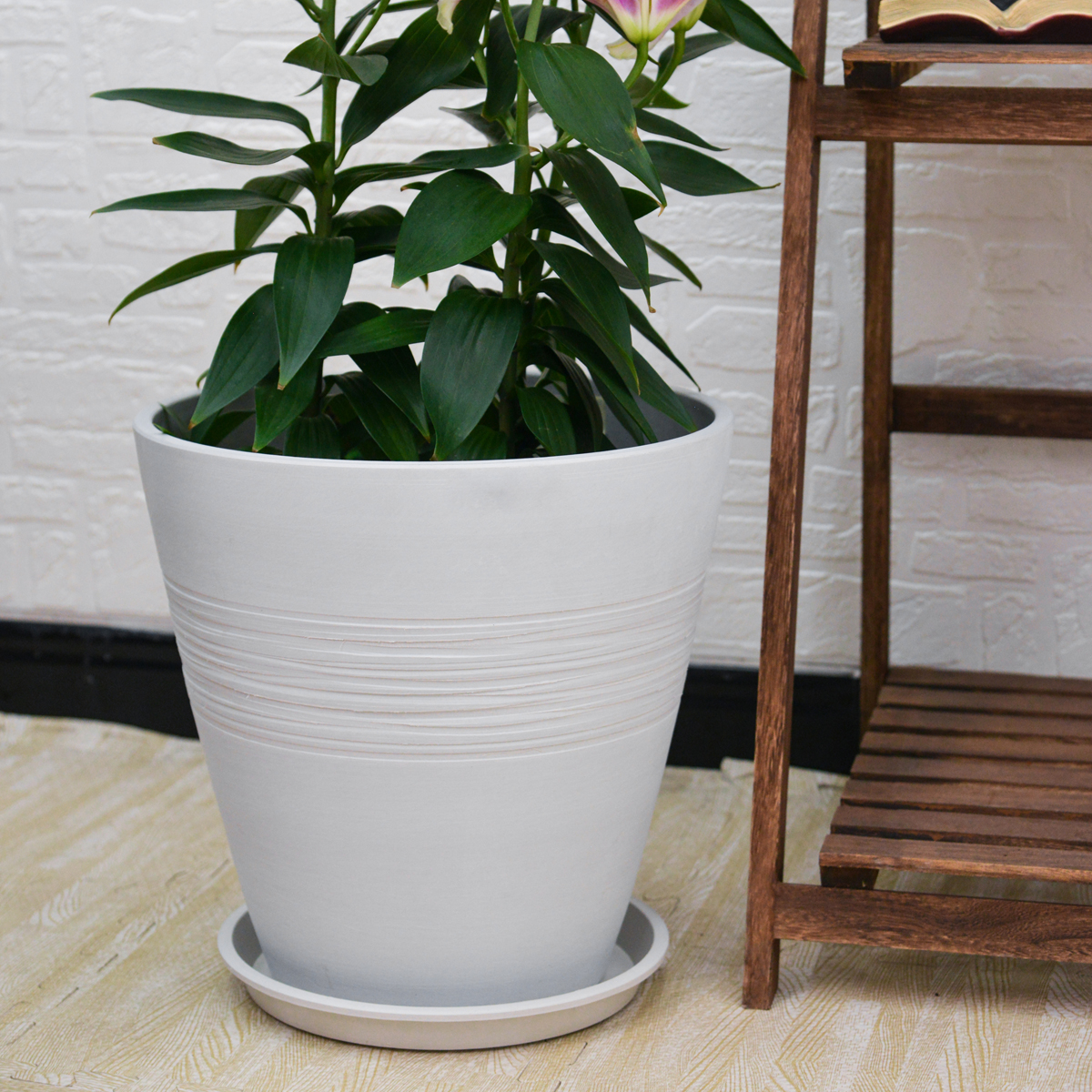
- Depth is Crucial: The most important dimension for a lily pot is depth. To accommodate the bulb and the essential stem roots, the pot should be at least 10 to 12 inches deep. A general rule of thumb is to plant the bulb at a depth of 3 times its height, and a deep pot allows for this.
- Width is Important: While depth is critical, the pot’s width matters, too. For a single lily, a pot that is at least 8 inches in diameter is recommended. If you’re planting multiple bulbs, the pot should be wide enough to allow for at least 1-2 inches of space between each bulb.
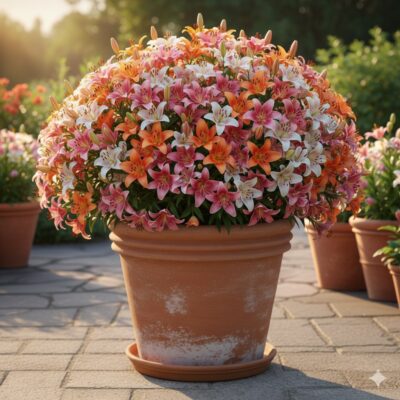
Lilies
The Solution: Repotting for a Better Bloom
If you suspect your current pot is the problem, don’t worry—you can fix it.
- Timing: The best time to repot is during the plant’s dormant period, typically in the fall after the foliage has died back.
- Process: Gently remove the bulb from its current pot, choose a new, larger planter that meets the depth and width requirements, and replant the bulb in fresh, well-draining soil.
A simple change in pot size can be the secret to transforming a non-blooming lily into a magnificent floral masterpiece. By providing the right home for its roots, you’ll be rewarded with a spectacular show of blooms next year.
About the Author — Greenship Garden Team
Greenship Garden is a U.S.-based brand dedicated to modern planter design and home gardening inspiration.
Our editorial team combines years of experience in plant care, garden styling, and sustainable living to help plant lovers create their perfect green spaces.
Through this blog, we share practical gardening tips, planter styling guides, and insights on how to choose the right pots for every home.
🌿 Written and reviewed by the Greenship Garden Team.