Which Pots Are the Most Durable and Sturdy for Indoor Display?
When selecting indoor planters, durability isn’t just about resisting chips; it’s about stability, impact resistance, and water protection for your floors. The strongest pot is one that won’t tip over and won’t leak.
Here is a breakdown of the most reliable and long-lasting materials for indoor use, focusing on the three critical indoor durability factors.
1. Top-Tier Durability: The Sturdy Winners
2. Comparing Indoor Durability Factors
Factor A: Stability (Anti-Tipping)
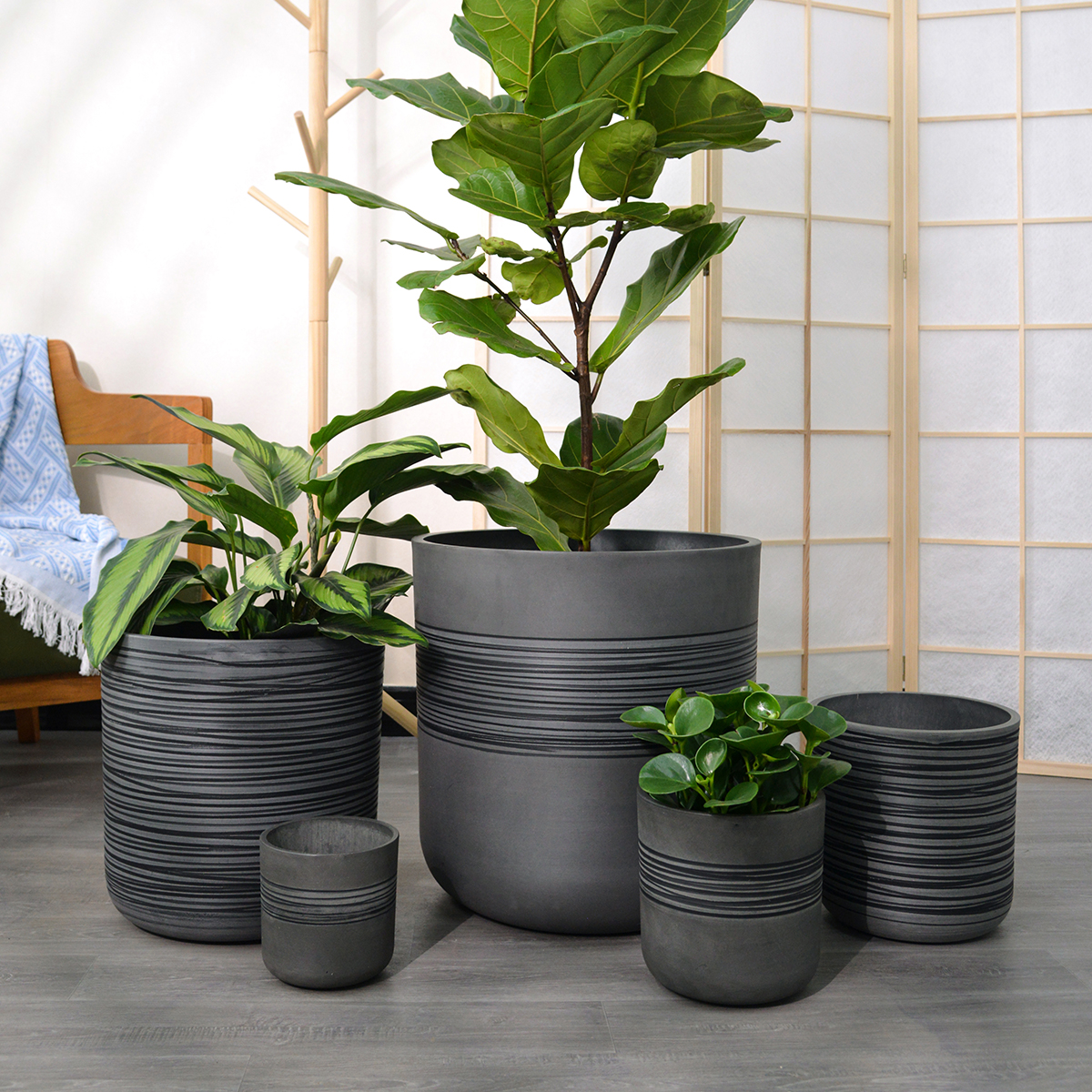
For large, tall plants (like a Fiddle Leaf Fig or a large Monstera), stability is the primary concern. A top-heavy plant in a lightweight pot is a disaster waiting to happen.
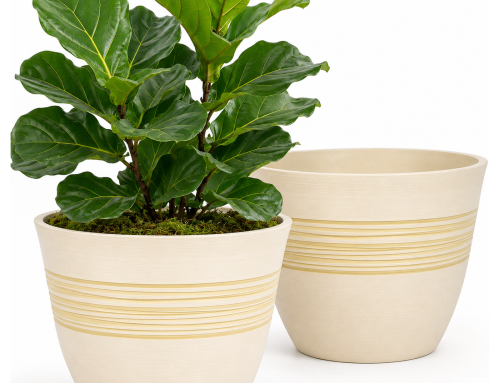
The Winner: Heavy Ceramic & Stoneware
Stoneware is fired at an extremely high temperature, resulting in dense, heavy material. The sheer weight acts as ballast, anchoring the plant and preventing accidental tipping in high-traffic areas or from pets.
Factor B: Impact Resistance (Shatter-Proof)
If you are moving pots frequently, or if a pot is likely to be knocked off a table or shelf, you need material that won’t shatter or crack.
The Winner: Fiberglass/Resin Composites
Though lightweight, modern composite materials are shatter-proof and highly resistant to chips and dings. They are a practical choice that looks substantial but requires no heavy lifting.
Factor C: Water Resistance (Leak Protection)
The biggest threat to indoor durability is leakage, which can ruin wooden floors or carpets.
The Winner: Glazed Ceramic & Metal
Glazed Ceramic is non-porous, meaning water cannot seep through the sides like it can with unglazed terracotta.
Metal (Powder-Coated) forms a complete, non-porous shell, eliminating any chance of weeping or leakage.

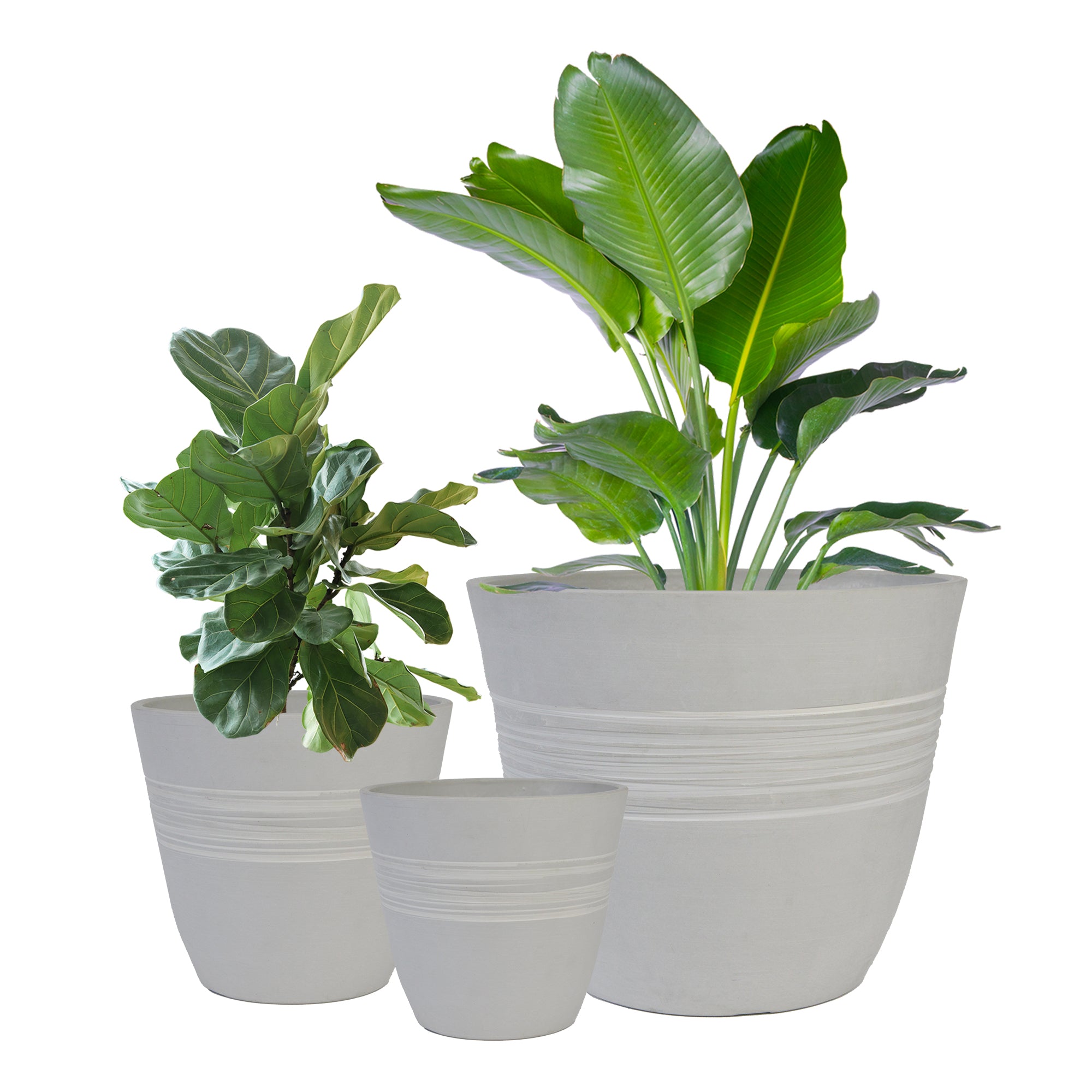
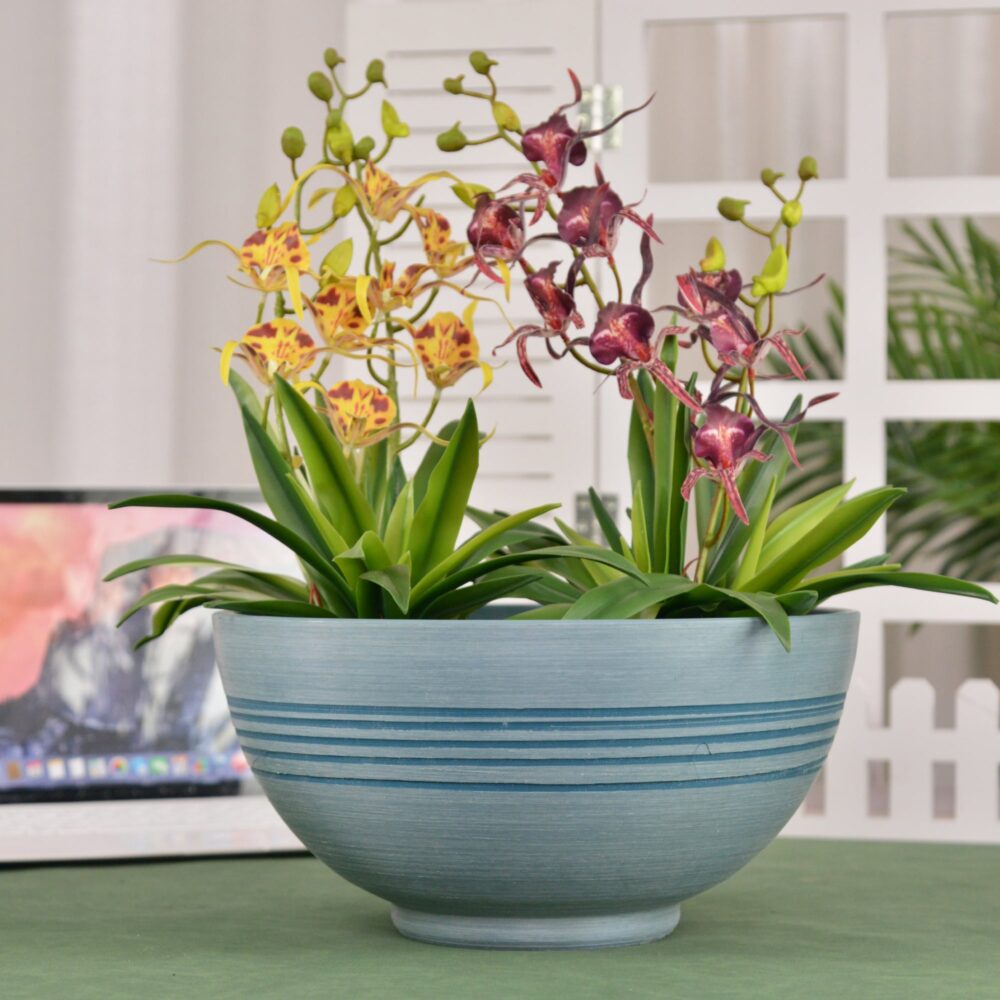
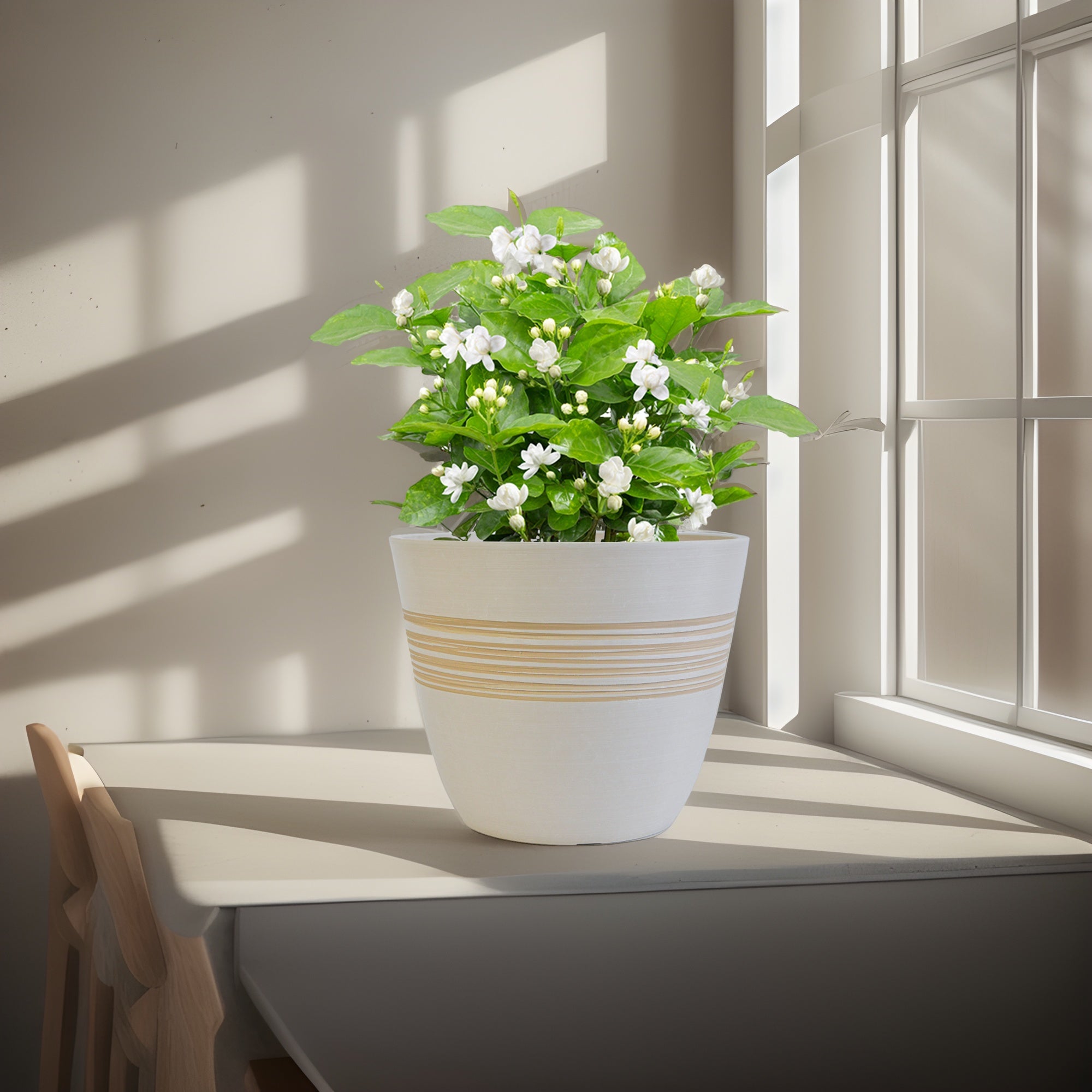
Indoor planter
3. Material to Use with Caution
Unglazed Terracotta: This classic material is durable and good for the plant (due to its porosity), but it can easily chip if moved carelessly. More importantly, it sweats, allowing water to slowly weep through the sides, which can damage a sensitive windowsill or floor over time. Always use a ceramic saucer.
Thin Plastic: Although cheap, thin plastic pots fade, often split when the roots become pot-bound, and provide zero stability for large plants. They are best reserved as inner nursery pots placed inside a decorative outer container.
The Bottom Line
For true, long-term indoor durability:
For Stability: Use a heavy ceramic or concrete container.
For Impact Resistance: Use a fiberglass or resin container.
For Water Safety: Use a glazed pot or metal container with no drainage hole (or use a nursery pot inside the decorative container).
Next Steps for You
Would you like me to find the best interior design tips for grouping durable, heavy pots and plants to maximize visual impact in a living room?
About the Author — Greenship Garden Team
Greenship Garden is a U.S.-based brand dedicated to modern planter design and home gardening inspiration.
Our editorial team combines years of experience in plant care, garden styling, and sustainable living to help plant lovers create their perfect green spaces.
Through this blog, we share practical gardening tips, planter styling guides, and insights on how to choose the right pots for every home.
🌿 Written and reviewed by the Greenship Garden Team.