Are Self-watering Pots Good for Outdoors?
Self-watering pots can be a good option for outdoor use, but there are some important factors to consider:
Pros:
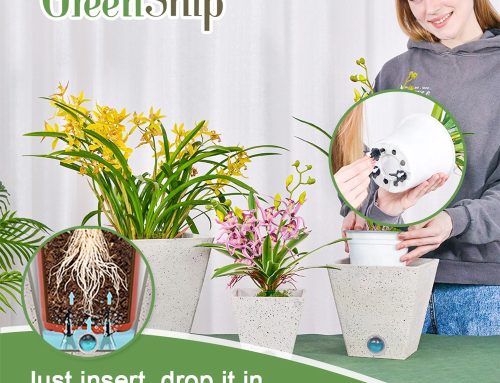
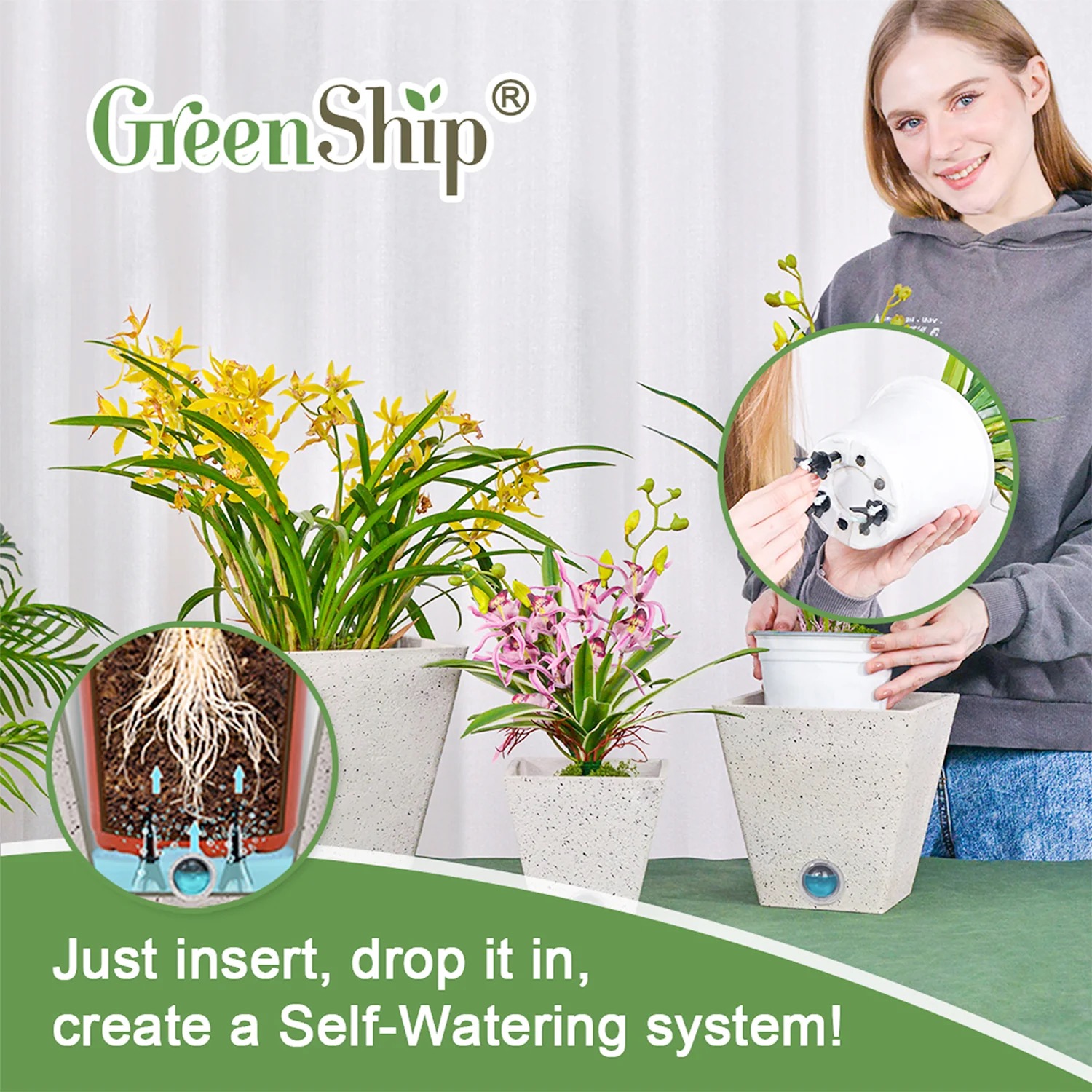
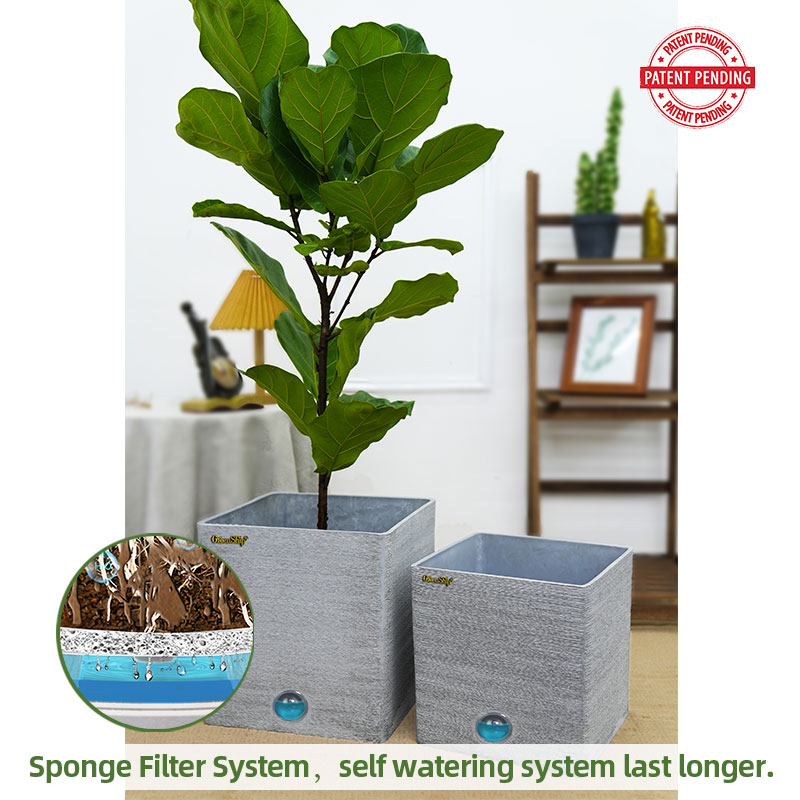
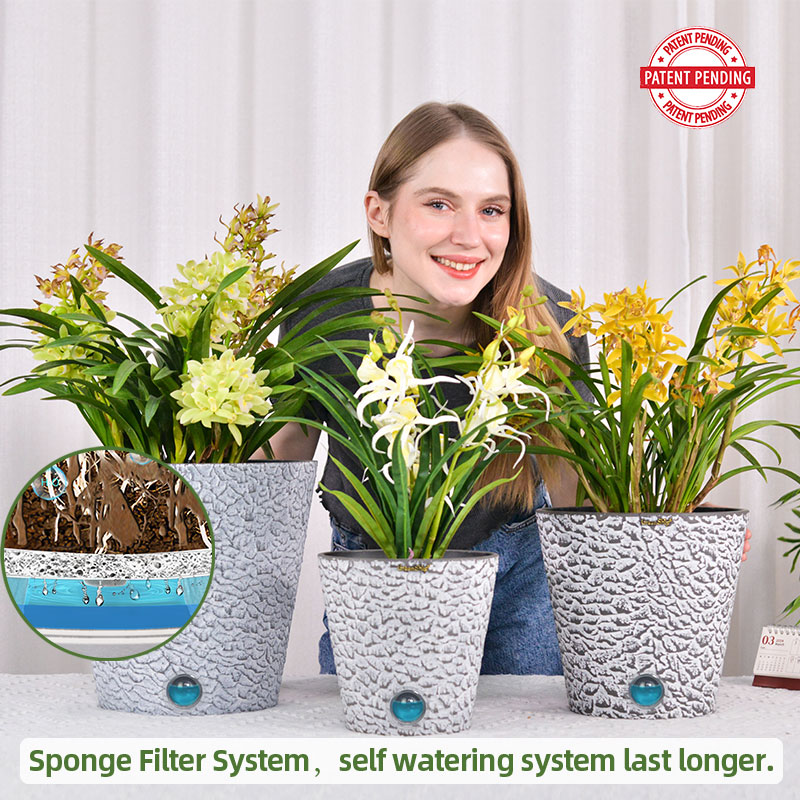
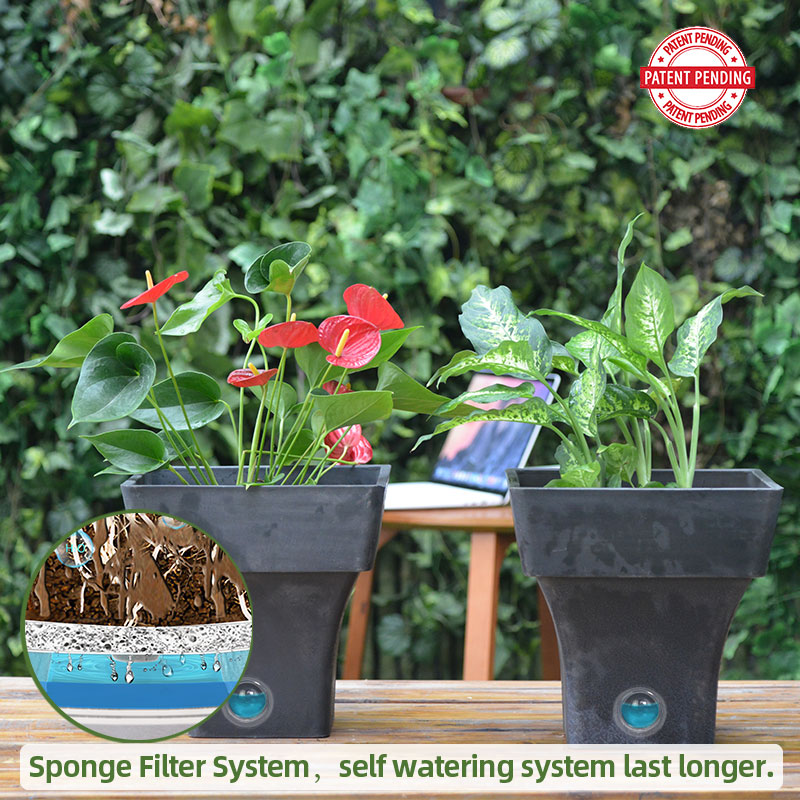
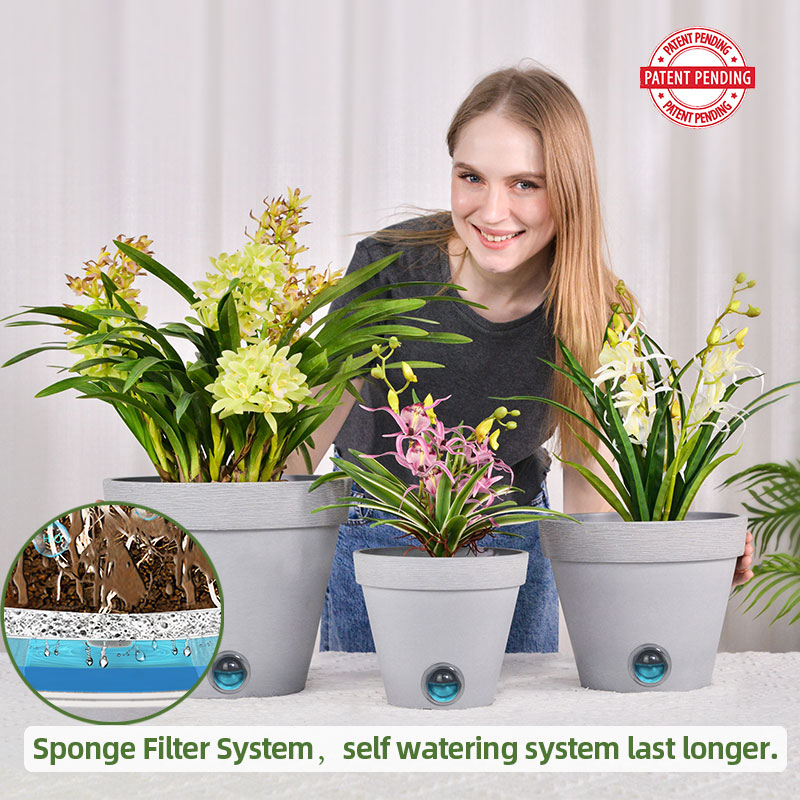
- Reduced watering frequency: This is the biggest advantage. Self-watering pots have a reservoir that holds water, allowing plants to draw moisture as needed. This can be especially helpful in hot, dry climates or if you tend to forget to water regularly.
- Consistent moisture: They help maintain consistent soil moisture, which is crucial for healthy plant growth. This can prevent overwatering and underwatering, both of which can stress plants.
- Convenience: They can be a great time-saver, especially if you have a lot of plants or if you travel frequently.
Cons:
- Cost: Self-watering pots tend to be more expensive than traditional pots.
- Maintenance: You need to check the water reservoir regularly and refill it as needed. You also need to clean the pot periodically to prevent algae growth and ensure proper drainage.
- Drainage: While they help prevent overwatering from the top, it’s still important to ensure the pot has drainage holes to prevent waterlogging from rain.
- Plant suitability: Not all plants are suitable for self-watering pots. Some plants prefer drier conditions and may develop root rot if they sit in consistently moist soil.
- Climate considerations: In very rainy climates, the self-watering feature might become redundant, and you’ll need to ensure proper drainage to prevent the pot from becoming waterlogged.
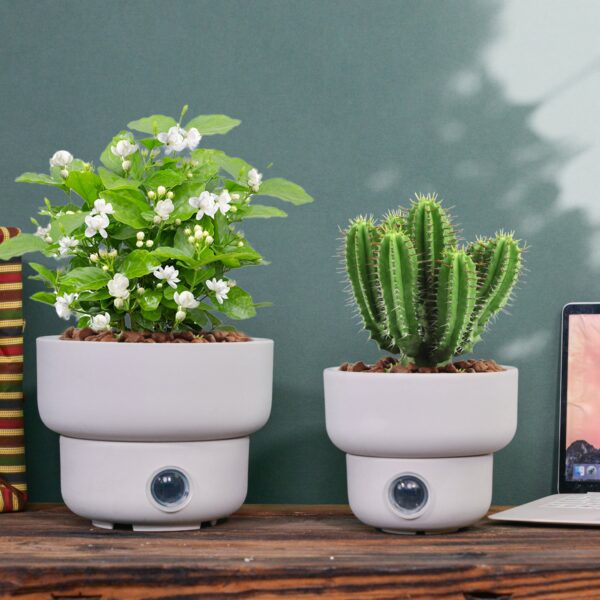
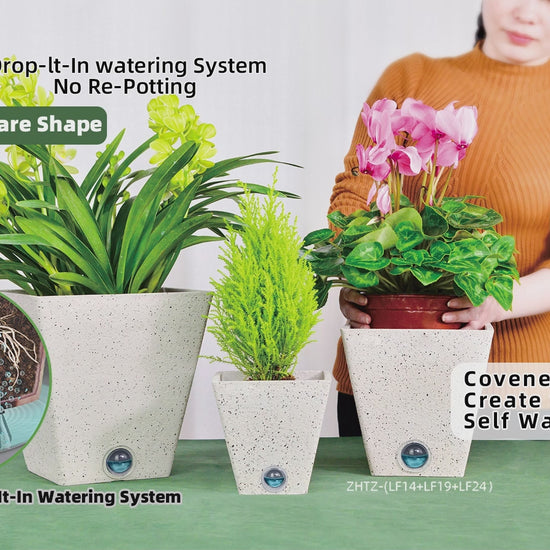
Things to consider when using self-watering pots outdoors:
- Material: Choose a durable, weather-resistant material like plastic, resin, or terracotta.
- Size: Select a size that is appropriate for the plant you’ll be growing and the location where it will be placed.
- Drainage: Make sure the pot has drainage holes to prevent waterlogging from rain.
- Plant type: Choose plants that are well-suited to the consistently moist conditions provided by self-watering pots.
- Location: Consider the amount of sunlight and rainfall the pot will receive and adjust your watering schedule accordingly.
Overall, self-watering pots can be a good option for outdoor use, but it’s important to weigh the pros and cons and consider the specific needs of your plants and your climate.
About the Author — Greenship Garden Team
Greenship Garden is a U.S.-based brand dedicated to modern planter design and home gardening inspiration.
Our editorial team combines years of experience in plant care, garden styling, and sustainable living to help plant lovers create their perfect green spaces.
Through this blog, we share practical gardening tips, planter styling guides, and insights on how to choose the right pots for every home.
🌿 Written and reviewed by the Greenship Garden Team.